Feeling like your metabolism is slowing down? It's not just you, but you can fight back!
As we age, many of us notice changes in our body's ability to manage weight, maintain energy, and recover from physical activity. A significant factor in these shifts is our metabolism – the complex set of chemical processes that convert food into energy, build and repair tissues, and keep our bodies functioning.
The good news is that you're not powerless against a sluggish metabolism. While genetics and age play a role, the right exercise strategies can significantly impact your metabolic rate, helping you burn more calories, feel more energized, and maintain a healthier weight. This guide will explore the best exercises to increase your metabolic rate at any age, providing actionable insights to empower your journey to optimal health.
Understanding Your Metabolism: More Than Just Calorie Burning
Before diving into specific exercises, it's crucial to grasp what metabolism truly entails and why it's so vital for your overall well-being.
Your metabolism isn't just about how quickly you burn calories; it's the sum of all chemical reactions that occur in your body to sustain life. These processes include converting food into energy, building and repairing cells, and eliminating waste products. A robust metabolism means your body is efficient at these tasks, leading to better energy levels, easier weight management, and improved cellular health.
There are three main components to your total daily energy expenditure (TDEE):
- Basal Metabolic Rate (BMR) or Resting Metabolic Rate (RMR): This is the number of calories your body burns at rest to perform basic functions like breathing, circulation, and cell production. It accounts for about 60-75% of your TDEE.
- Thermic Effect of Food (TEF): The calories burned during the digestion, absorption, and storage of food. This makes up about 10% of your TDEE.
- Activity Energy Expenditure (AEE): The calories burned during physical activity, including structured exercise and non-exercise activity thermogenesis (NEAT). This is the most variable component, accounting for 15-30% of your TDEE.
Our focus today will be primarily on how we can strategically influence the RMR and AEE components through exercise to create a more efficient, higher-performing metabolism. A common misconception is that metabolism inevitably grinds to a halt with age. While there is a natural decline, it's often exaggerated and largely influenced by lifestyle factors, particularly activity levels and muscle mass. By understanding these components, we can make informed choices to keep our metabolic fires burning strong.
💡 Key Takeaway
Your metabolism is a dynamic system, and while age can influence it, strategic exercise is a powerful tool to maintain and even increase your metabolic rate, primarily by boosting your resting metabolic rate (RMR) and overall activity energy expenditure.
The Pillars of Metabolic-Boosting Exercise
To truly fire up your metabolism, a multi-faceted approach to exercise is most effective. Here are the key types of workouts you should incorporate.
Strength Training: The Ultimate Metabolism Booster
When it comes to long-term metabolic benefits, strength training reigns supreme. Muscle tissue is far more metabolically active than fat tissue. This means that the more muscle mass you have, the more calories your body burns at rest, even when you're just sitting on the couch. This is a game-changer for your resting metabolic rate (RMR). Building and maintaining muscle mass is crucial at every age, as we naturally lose muscle (sarcopenia) as we get older, which directly contributes to metabolic slowdown.
Incorporating exercises like squats, deadlifts, push-ups, rows, and overhead presses targets multiple muscle groups, creating a significant metabolic demand. Aim for 2-3 full-body strength training sessions per week, allowing adequate recovery time between sessions. You don't need heavy weights to start; bodyweight exercises or resistance bands are excellent for beginners and older adults.
High-Intensity Interval Training (HIIT): The Afterburn Effect
HIIT involves short bursts of intense exercise followed by brief recovery periods. Think sprinting for 30 seconds, then walking for 60 seconds, repeated several times. The magic of HIIT lies in its ability to create an "afterburn effect," scientifically known as Excess Post-exercise Oxygen Consumption (EPOC). This means your body continues to burn calories at an elevated rate for hours, sometimes even up to 24-48 hours, after your workout as it recovers and returns to its pre-exercise state.
HIIT is incredibly time-efficient and highly effective for fat loss and metabolic boosting. It can be adapted to many forms of exercise: running, cycling, swimming, bodyweight circuits, or even jumping jacks. Due to its intensity, it's important to start slowly and gradually increase duration and intensity. For those new to HIIT or with certain health conditions, consulting a doctor is always recommended. Two to three HIIT sessions per week are usually sufficient.
Cardiovascular Exercise: Steady State for Sustained Burn
While strength training and HIIT are metabolic powerhouses, don't underestimate the value of traditional cardiovascular exercise. Activities like brisk walking, jogging, cycling, swimming, or dancing burn calories during the activity itself and contribute to overall cardiovascular health. Consistent cardio improves your heart and lung efficiency, allowing you to train harder and recover faster from other metabolic-boosting exercises.
Moderate-intensity cardio, performed for 30-60 minutes most days of the week, complements strength and HIIT by improving endurance and providing a consistent calorie burn. It's also generally lower impact and more accessible for many individuals, making it a sustainable choice for daily activity. Combining steady-state cardio with high-intensity work offers a comprehensive metabolic advantage.
Non-Exercise Activity Thermogenesis (NEAT): Move More, Sit Less
Often overlooked, NEAT refers to the energy expended for everything we do that is not sleeping, eating, or sports-like exercise. This includes walking to work, gardening, fidgeting, taking the stairs, or even standing instead of sitting. NEAT can account for a significant portion of your daily calorie expenditure and has a profound impact on metabolic health.
In a world where many jobs involve prolonged sitting, actively seeking opportunities to increase NEAT is crucial. Set reminders to stand and stretch, take walking breaks, use a standing desk, or choose activities that keep you moving. Even small increases in daily activity can add up to substantial metabolic benefits over time, preventing the metabolic slowdown associated with a sedentary lifestyle.
Age-Specific Exercise Strategies for Metabolic Boost
While the core principles remain consistent, tailoring your exercise regimen to your age and fitness level is key to maximizing metabolic benefits and ensuring safety.
Your 20s and 30s: Building a Metabolic Powerhouse
This is often the prime time for building a strong metabolic foundation. Your body is generally resilient, recovers quickly, and is capable of high-intensity work. Focus on:
- Maximal Strength Training: Challenge yourself with heavier weights and compound movements (squats, deadlifts, bench press, overhead press). Aim for 3-4 sessions per week. This builds significant muscle mass that will serve you well for decades.
- Aggressive HIIT: Push your limits with intense sprints, plyometrics, and challenging bodyweight circuits. 2-3 sessions per week can significantly boost EPOC.
- Varied Cardio: Explore different forms of cardio – running, cycling, swimming, team sports – to maintain cardiovascular health and keep your metabolism agile.
The goal here is to accumulate as much lean muscle mass as possible and establish a high baseline metabolic rate. Don't forget the importance of proper form to prevent injuries and ensure long-term consistency.
Your 40s and 50s: Maintaining Momentum and Adapting
As you enter your 40s and 50s, hormonal shifts (like declining estrogen in women and testosterone in men) can make weight management and metabolic health more challenging. Muscle loss can accelerate if not actively counteracted. This decade is about maintaining the muscle mass you have and continuing to build functional strength.
- Consistent Strength Training: Prioritize 2-3 full-body strength sessions per week. While you might not be hitting personal bests every week, focus on consistency, proper form, and progressive overload (gradually increasing weight, reps, or intensity). Consider incorporating more unilateral exercises (single-leg squats, lunges) for balance and stability.
- Modified HIIT: You can still benefit greatly from HIIT, but listen to your body. Reduce the duration of high-intensity intervals or increase recovery periods. Low-impact HIIT (e.g., cycling sprints, elliptical, swimming intervals) can be excellent options to reduce joint stress while still getting the metabolic boost.
- Mindful Cardio: Continue with moderate-intensity cardio. Perhaps swap some high-impact running for cycling or brisk walking. Focus on enjoying the activity to ensure long-term adherence. Regular walks can also be a great way to boost metabolism, as discussed in our article on how to speed up metabolism naturally after 40.
- Prioritize Recovery: Recovery becomes even more critical. Ensure adequate sleep, hydration, and stress management to support metabolic function and prevent overtraining.
Your 60s and Beyond: Functional Fitness and Longevity
In your later years, the focus shifts to maintaining independence, preventing falls, and preserving quality of life, all of which are profoundly linked to metabolic health. Exercise helps combat age-related muscle loss and bone density decline, keeping your metabolism active.
- Functional Strength Training: Emphasize exercises that mimic daily activities. Bodyweight squats, chair stands, wall push-ups, resistance band rows, and bicep curls are excellent. Focus on controlled movements, balance, and core strength. Aim for 2 sessions per week.
- Low-Impact Cardio: Brisk walking, swimming, water aerobics, cycling, and dancing are fantastic choices. These activities maintain cardiovascular health, improve circulation, and contribute to daily calorie expenditure without excessive joint strain.
- Balance and Flexibility: Incorporate exercises like Tai Chi, yoga, or simple stretching routines. Improved balance reduces fall risk, and flexibility enhances range of motion, allowing for more effective and safer participation in other metabolic-boosting activities.
- Consistency is Key: Even short, regular bouts of activity are more beneficial than sporadic intense workouts. Walking for 15-20 minutes multiple times a day can add up significantly.
Always consult your doctor before starting any new exercise program, especially if you have pre-existing health conditions or are taking medications. A qualified personal trainer specializing in older adults can also provide personalized guidance.
Beyond Exercise: Lifestyle Factors Influencing Metabolism
Nutrition & Hydration
What you eat directly fuels your metabolic processes. A balanced diet rich in whole foods, lean proteins, complex carbohydrates, and healthy fats provides the necessary nutrients. Protein, in particular, has a higher thermic effect of food (TEF) and is crucial for muscle repair and growth. Adequate hydration is also essential, as water is involved in nearly every metabolic reaction in the body. For more insights on this, check out our article on top 15 foods that burn calories.
Quality Sleep
Sleep deprivation significantly impacts metabolic hormones. Insufficient sleep can increase ghrelin (the hunger hormone) and decrease leptin (the satiety hormone), leading to increased appetite and cravings. It also impairs insulin sensitivity and can elevate cortisol, all of which can contribute to metabolic slowdown and weight gain. Aim for 7-9 hours of quality sleep per night.
Stress Management
Chronic stress triggers the release of cortisol, a hormone that, in excess, can promote fat storage (especially around the abdomen) and disrupt blood sugar regulation. High cortisol levels can also suppress thyroid function, further slowing metabolism. Incorporate stress-reducing practices like meditation, yoga, deep breathing exercises, or spending time in nature.
Strategic Supplementation
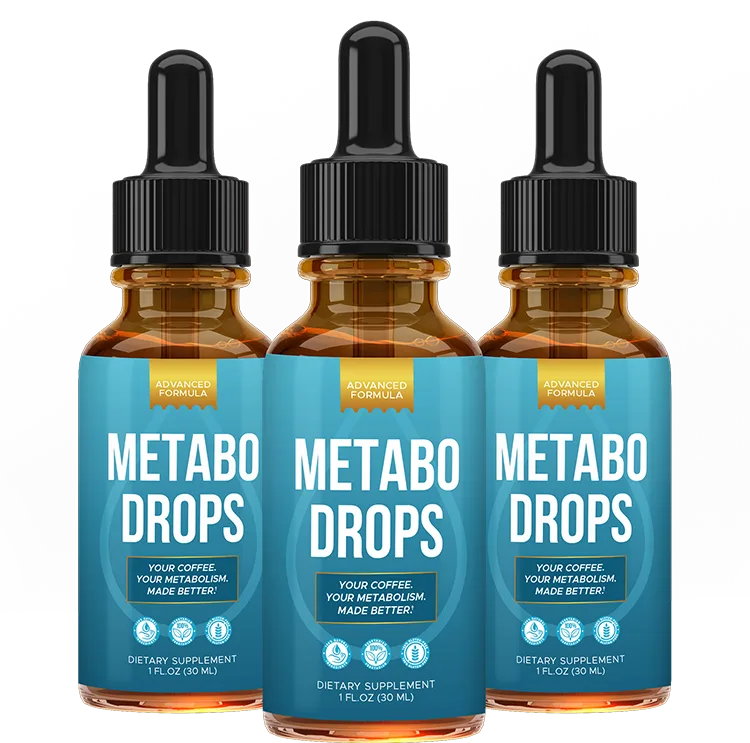
While not a substitute for diet and exercise, certain natural supplements can offer complementary support for metabolic health. Ingredients found in products like Metabo Drops are often chosen for their potential to support healthy blood sugar, energy levels, and fat metabolism. These can be valuable tools when combined with a holistic approach to wellness.
Ready to Supercharge Your Metabolic Health?
While exercise is paramount, sometimes your body needs an extra boost to truly optimize its metabolic potential. Metabo Drops offers a unique, all-natural formula designed to complement your active lifestyle and support healthy metabolism.
- ✓ Supports healthy fat burning
- ✓ Boosts natural energy levels
- ✓ Helps regulate blood sugar
- ✓ Made with 100% natural ingredients
- ✓ Non-GMO, GMP Certified, Made in USA


Hear From Our Satisfied Customers
"I've been combining Metabo Drops with my regular strength training, and I've noticed a real difference in my energy levels and how my clothes fit. It's truly helped me feel more vibrant at 52!"
"As a busy professional in my 30s, I needed something to support my active lifestyle. Metabo Drops has been a fantastic addition to my HIIT workouts, helping me feel more focused and energized without jitters."
"At 68, I prioritize staying active with walking and light resistance. Metabo Drops has given me that extra pep in my step, and I feel like my body is responding better to my efforts. Highly recommend!"
Frequently Asked Questions
What is metabolism and why is it important for health?
+Metabolism refers to all the chemical processes that occur in your body to maintain life. It converts the food you eat into energy, builds and repairs tissues, and eliminates waste. A healthy metabolism is crucial for energy levels, weight management, and overall physiological function.
Can exercise truly increase my resting metabolic rate (RMR)?
+Yes, absolutely! Certain types of exercise, particularly strength training, can significantly increase your resting metabolic rate. Muscle tissue is more metabolically active than fat tissue, meaning it burns more calories even when you're at rest. High-Intensity Interval Training (HIIT) also provides an 'afterburn effect' (EPOC) that keeps your metabolism elevated for hours post-workout.
How often should I exercise to boost my metabolism?
+For optimal metabolic benefits, aim for a combination of strength training 2-3 times per week, HIIT 1-2 times per week, and moderate-intensity cardio 3-5 times per week. Consistency is key, along with listening to your body and allowing for adequate recovery. Even short bursts of activity throughout the day contribute positively.
Are there specific exercises that are better for older adults to boost metabolism?
+For older adults, the focus should be on functional strength and maintaining muscle mass. Bodyweight exercises, resistance bands, light weights, and exercises that improve balance are excellent. Low-impact cardio like walking, swimming, or cycling is also highly beneficial. The key is consistency and choosing exercises that are safe and sustainable for your individual fitness level.
How does nutrition complement exercise for metabolic health?
+Nutrition plays a vital role. Adequate protein intake is essential for muscle repair and growth, which supports a higher RMR. Whole foods, plenty of fiber, and healthy fats fuel your workouts and provide the nutrients your body needs to function optimally. Staying hydrated is also crucial for metabolic processes. Exercise and nutrition are two sides of the same metabolic coin.
Can supplements like Metabo Drops support metabolic rate alongside exercise?
+While exercise and a healthy diet are the foundational pillars of a healthy metabolism, certain natural supplements can offer complementary support. Products like Metabo Drops, formulated with natural ingredients, are designed to assist the body's natural metabolic processes, promote healthy fat burning, and support energy levels when used as part of a balanced lifestyle. Always consult with a healthcare professional before starting any new supplement.
Related Articles You Might Enjoy