Can Your Morning Cup of Joe Truly Ignite Your Metabolism?
For many, the day doesn't truly begin until that first aromatic sip of coffee. Beyond its wake-up call, a popular belief persists: coffee, particularly its star ingredient, caffeine, can kickstart your metabolism, turning your body into a fat-burning furnace. But is this just a comforting myth, or does scientific evidence back up this widespread claim?
As a neurology researcher, I've delved deep into the intricate ways our bodies process energy and respond to external stimuli. The interaction between coffee and metabolism is more nuanced than a simple yes or no. We'll explore the mechanisms, the benefits, and the caveats, helping you understand how to harness your metabolic potential, whether through your daily brew or other effective strategies, including natural supplements like Metabo Drops.
Understanding Your Metabolism: The Body's Engine
Before we dive into coffee's effects, let's briefly define metabolism. It's not just about how fast you burn calories; it's the sum of all chemical processes that occur in your body to maintain life. This includes converting food into energy, building and repairing tissues, and eliminating waste.
Your **basal metabolic rate (BMR)** is the number of calories your body burns at rest to perform basic functions like breathing, circulation, and cell production. Factors like age, gender, muscle mass, genetics, and hormone levels all play a significant role in determining your BMR. A faster metabolism generally means your body burns more calories throughout the day, which can be beneficial for **weight management** and energy levels.
Many people seek ways to naturally boost their metabolism, especially as they age or face challenges with weight. Understanding the science behind various interventions is crucial to making informed choices for your health.
The Science of Coffee and Caffeine: A Metabolic Stimulant
Coffee's primary metabolic impact comes from **caffeine**, a natural stimulant. When you consume caffeine, it quickly enters your bloodstream and travels to the brain, where it blocks the neurotransmitter adenosine. Adenosine is responsible for promoting relaxation and sleepiness, so blocking it leads to increased alertness and a feeling of energy.
Beyond its neurological effects, caffeine also influences your metabolism in several key ways:
1. Increased Thermogenesis: Caffeine stimulates the central nervous system, which in turn increases **thermogenesis** – your body's production of heat. This process burns calories, contributing to a temporary increase in your metabolic rate. Studies have shown that caffeine intake can increase metabolic rate by 3-11% for a short period after consumption.
2. Fat Oxidation: Caffeine can promote the **mobilization of fatty acids** from fat tissues. It does this by increasing levels of the hormone epinephrine (adrenaline), which signals fat cells to break down fat and release it into the bloodstream to be used as energy. This effect is particularly noticeable during exercise, where caffeine can enhance fat burning.
3. Enhanced Energy Expenditure: By making you feel more alert and energetic, coffee can indirectly encourage greater physical activity. If you feel more motivated to move or exercise after your coffee, you'll naturally burn more calories. However, this is an indirect effect and not a direct metabolic boost from caffeine itself.
4. Appetite Suppression (Limited): Some research suggests that caffeine might have a mild, short-term appetite-suppressing effect, which could indirectly aid in calorie control. However, this effect is often inconsistent and highly individual.
💡 Key Takeaway
Coffee, primarily through its caffeine content, offers a modest and temporary boost to metabolism by increasing thermogenesis and fat oxidation. While not a magic bullet for weight loss, it can be a useful component of a broader metabolic health strategy.
How Much Coffee for a Metabolic Boost? And What Does Science Say?
The amount of caffeine needed to see a metabolic effect varies. Most studies indicate that a dose of 100-400 mg of caffeine (roughly 1-4 cups of brewed coffee, depending on strength) can elicit a measurable increase in metabolic rate. However, the effect is not linear; consuming excessive amounts does not lead to proportionally greater benefits and can introduce adverse side effects.
Individual Variability and Tolerance: It's crucial to acknowledge that not everyone responds to coffee in the same way. Genetic variations in how individuals metabolize caffeine (e.g., the CYP1A2 gene) can significantly influence its effects. Furthermore, regular coffee drinkers can develop a **tolerance** to caffeine, meaning the metabolic boost may diminish over time. If you're a habitual coffee drinker, you might not experience the same significant metabolic spike as someone who rarely consumes caffeine.
The "Coffee for Weight Loss" Myth: While coffee can slightly increase calorie expenditure and fat burning, it's rarely enough to cause significant weight loss on its own. The effect is modest, typically burning an extra 79-150 calories per day, which is equivalent to a small snack. For sustained weight loss, coffee must be part of a comprehensive strategy that includes a **balanced diet** and **regular physical activity**. Relying solely on coffee for metabolic benefits without addressing other lifestyle factors is unlikely to yield desired results.
Beyond caffeine, coffee also contains **antioxidants** like chlorogenic acid and quinides, which have anti-inflammatory properties and may contribute to overall health, indirectly supporting metabolic function. However, their direct impact on calorie burning is less pronounced than caffeine's.
Potential Downsides and Considerations for Coffee Consumption
While coffee offers metabolic advantages, it's not without its potential drawbacks, especially when consumed in excess or with unhealthy additions.
Sleep Disruption
Caffeine has a half-life of about 5 hours, meaning it stays in your system for an extended period. Consuming coffee late in the day can interfere with sleep patterns, leading to poor sleep quality. Inadequate sleep is a known factor that can negatively impact metabolism, hormone balance, and weight management, potentially negating any metabolic benefits from coffee.
Jitters and Anxiety
For individuals sensitive to caffeine, or those who consume too much, coffee can cause jitters, nervousness, anxiety, and even heart palpitations. These uncomfortable side effects can detract from daily well-being and productivity.
Unhealthy Additions
The way you drink your coffee matters. Loading your cup with sugar, syrups, whipped cream, and artificial sweeteners can quickly add hundreds of calories and negate any potential metabolic benefits. These additions can also lead to blood sugar spikes and crashes, further disrupting metabolic harmony. Opting for black coffee or with a splash of milk is generally the healthier choice.
Dehydration (Minor)
While coffee has a mild diuretic effect, studies show that moderate consumption does not lead to dehydration in regular drinkers. However, it's still essential to maintain adequate water intake alongside your coffee consumption for overall health and optimal metabolic function.
Beyond Coffee: A Holistic Approach to Boosting Metabolism
While coffee can play a minor supporting role, truly optimizing your metabolism requires a multifaceted approach that addresses various aspects of your lifestyle. Think of your metabolism as a complex orchestra; coffee is just one instrument. Here are other crucial sections of your metabolic symphony:
1. Strength Training and Muscle Mass: Muscle tissue is metabolically more active than fat tissue, meaning it burns more calories at rest. Engaging in regular **strength training** builds muscle mass, which can significantly increase your BMR over time. This is one of the most effective long-term strategies for a faster metabolism.
2. Protein-Rich Diet: Eating enough protein is essential for metabolism. Protein has a higher **thermic effect of food (TEF)** compared to fats and carbohydrates, meaning your body burns more calories digesting and metabolizing protein. It also helps preserve muscle mass during weight loss and promotes satiety, which can prevent overeating.
3. Adequate Sleep: As mentioned, poor sleep can wreak havoc on your metabolism. Lack of sleep disrupts hormones that regulate appetite (ghrelin and leptin) and can increase insulin resistance, leading to a slower metabolism and increased fat storage. Aim for 7-9 hours of quality sleep per night.
4. Stress Management: Chronic stress elevates cortisol levels, a hormone that can promote fat storage, especially around the abdomen, and contribute to a slower metabolism. Practices like meditation, yoga, or spending time in nature can help manage stress and support metabolic health.
5. Hydration: Drinking enough water is crucial for all bodily functions, including metabolism. Studies suggest that increasing water intake can temporarily boost metabolic rate and help with fat breakdown. Sometimes, your body can even mistake thirst for hunger, leading to unnecessary snacking.
6. Incorporating Whole Foods: A diet rich in whole, unprocessed foods provides essential nutrients and fiber, supporting digestive health and stable blood sugar levels, both vital for an efficient metabolism. Processed foods, on the other hand, can lead to metabolic dysfunction.
For more detailed strategies on improving your metabolic health, you might find our article on metabolism remedies that work highly informative. It delves into various natural approaches that can make a real difference.
Natural Support: Complementing Your Metabolic Efforts
While lifestyle changes are paramount, certain natural supplements can offer additional support for those looking to optimize their metabolism. These supplements often contain ingredients known to influence various metabolic pathways, enhance fat burning, or regulate appetite. They are designed to complement a healthy diet and exercise regimen, not replace them.
Enhanced Energy Levels
Many metabolism-supporting supplements include ingredients that help convert food into usable energy more efficiently. This can lead to a noticeable increase in vitality, reducing fatigue and motivating you for physical activity, which further aids metabolic health.
Improved Fat Burning
Specific natural compounds are known to stimulate thermogenesis and promote the breakdown of stored fat for energy. By targeting these processes, supplements can help your body utilize fat reserves more effectively, especially when combined with calorie expenditure.
Better Blood Sugar Control
Ingredients like chromium can help improve insulin sensitivity, leading to more stable blood sugar levels. This is crucial for metabolic health, as erratic blood sugar can contribute to fat storage and energy crashes, hindering metabolic efficiency.
Optimal Nutrient Utilization
Some supplements contain nutrients that act as cofactors in metabolic reactions, ensuring your body can properly process carbohydrates, fats, and proteins. This optimization ensures that the food you eat is effectively converted into energy and building blocks rather than being stored as excess.
Appetite Regulation
Certain natural extracts can help manage hunger cravings and promote a feeling of fullness, making it easier to adhere to a calorie-controlled diet. This indirect support for metabolism by reducing excessive calorie intake is a valuable benefit for weight management.
Support for Energy Production
Beyond stimulants, some ingredients support mitochondrial function, the powerhouses of your cells. By enhancing mitochondrial efficiency, these compounds ensure that your body's energy production is robust, contributing to overall metabolic vitality and endurance.
For those interested in how to speed up metabolism naturally after 40, which often involves a combination of these elements, we have a dedicated resource: how to speed up metabolism naturally after 40.
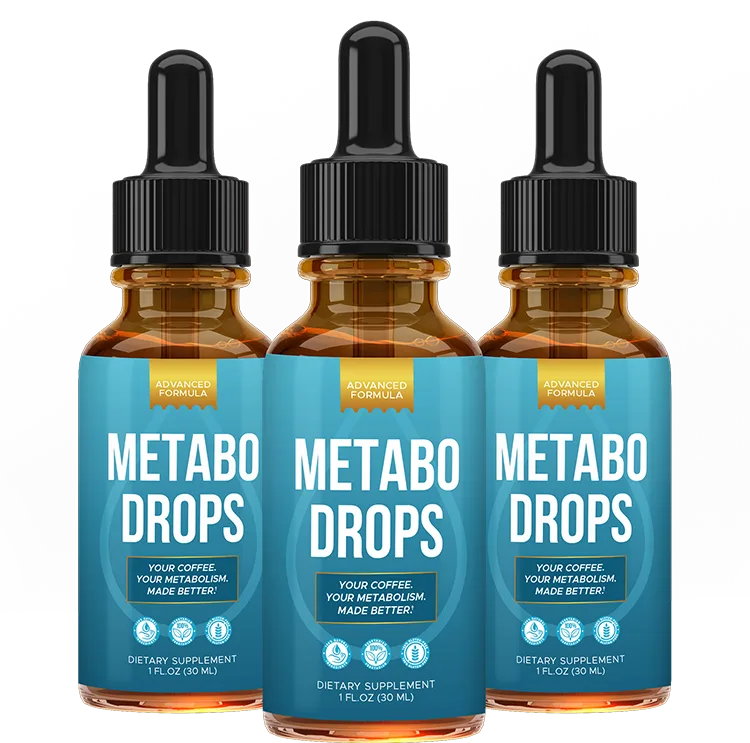
Introducing Metabo Drops: A Natural Approach to Metabolic Enhancement
In the journey towards a healthier, more active metabolism, many individuals seek out natural aids that can provide a gentle yet effective boost. This is where supplements like Metabo Drops come into play. Designed with a blend of carefully selected natural ingredients, Metabo Drops aims to support your body's innate ability to burn fat, increase energy, and maintain a healthy metabolic rate.
Unlike quick-fix solutions or harsh stimulants, Metabo Drops focuses on providing comprehensive metabolic support. It's formulated to work in harmony with your body, targeting various aspects of metabolism rather than relying on a single mechanism. The goal is to help you feel more energetic, support your weight management goals, and contribute to overall well-being, all through a natural pathway.
For a deeper dive into how supplements can specifically aid your metabolic goals, our article on the best metabolism supplement offers valuable insights and comparisons.
Key Ingredients in Metabo Drops and Their Metabolic Benefits
Metabo Drops leverages a synergistic blend of natural ingredients, each chosen for its scientifically recognized role in supporting metabolic function, energy production, and fat burning. Here's a look at some of the powerful components:
Green Tea Extract (EGCG)
Role: Rich in catechins, particularly EGCG, green tea extract is renowned for its thermogenic properties. It helps increase fat oxidation and energy expenditure, contributing to a higher metabolic rate without the harshness of excessive caffeine.
Optimal Dose: 200-500 mg EGCG dailyL-Carnitine
Role: This amino acid plays a crucial role in the transport of fatty acids into the mitochondria, where they are burned for energy. By facilitating fat metabolism, L-Carnitine helps your body utilize fat stores more efficiently, especially during exercise.
Optimal Dose: 500-2000 mg dailyChromium Picolinate
Role: An essential trace mineral, chromium helps enhance the action of insulin, a hormone critical for metabolism and storage of carbohydrates, fats, and proteins. It can improve blood sugar control and reduce cravings, supporting healthy weight management.
Optimal Dose: 200-1000 mcg dailyCapsicum Annuum (Cayenne Pepper)
Role: The active compound capsaicin in cayenne pepper is a natural thermogenic agent. It can slightly increase body temperature and calorie expenditure, helping to boost metabolism and promote fat burning. It also has a mild appetite-suppressing effect.
Optimal Dose: 2-4 mg capsaicinoids dailyIrvingia Gabonensis (African Mango)
Role: This African seed extract is known for its potential to support weight management by influencing leptin and adiponectin, hormones involved in appetite and fat metabolism. It may help regulate blood sugar and cholesterol levels, further contributing to metabolic health.
Optimal Dose: 150-300 mg twice dailyManganese
Role: Manganese is a vital trace mineral that acts as a cofactor for several enzymes involved in carbohydrate, amino acid, and cholesterol metabolism. It supports energy production and helps protect cells from oxidative damage, contributing to overall metabolic efficiency.
Optimal Dose: 2-5 mg daily
Accelerate Your Metabolism Naturally with Metabo Drops
Metabo Drops is a potent, all-natural supplement designed to support your body's metabolic rate, enhance fat burning, and boost energy levels safely and effectively. Formulated with clinically studied ingredients, it offers a holistic approach to weight management and overall vitality.
- Supports healthy fat burning
- Boosts natural energy levels
- Helps regulate appetite
- Optimizes metabolic function
- Made with 100% natural ingredients




Real Results from Real People
"I used to feel sluggish all the time, but Metabo Drops has truly transformed my energy. I feel more active and my clothes are fitting better!"
"Skeptical at first, but after 2 months, I've noticed a significant difference in my metabolism. My digestion is better, and I've lost a few stubborn pounds. Highly recommend!"
"Coffee alone wasn't enough for my slow metabolism. Adding Metabo Drops has given me the extra boost I needed. It's gentle yet effective."
Frequently Asked Questions
How does coffee affect metabolism?
+Coffee primarily affects metabolism through its caffeine content, which is a stimulant. Caffeine can temporarily increase your metabolic rate, known as thermogenesis, causing your body to burn more calories. It also mobilizes fatty acids from fat tissues, making them available for energy. However, the effect is modest and can vary based on individual tolerance and genetics.
Is there a "best" type of coffee for metabolism?
+The metabolic benefits largely come from caffeine, so any coffee with sufficient caffeine will have a similar effect. Black coffee is generally preferred over coffee with added sugar, cream, or artificial sweeteners, as these additions can negate potential benefits or introduce unhealthy calories. Filtered coffee might be healthier due to lower diterpene levels.
Can I build a tolerance to coffee's metabolic effects?
+Yes, regular and high caffeine intake can lead to tolerance. Your body adapts to the stimulant, and the metabolic boost might diminish over time. To counteract this, some people cycle their caffeine intake or take short breaks to resensitize their system.
What are the side effects of using coffee for metabolism?
+While beneficial, excessive coffee consumption can lead to side effects such as jitters, anxiety, increased heart rate, digestive issues, and disrupted sleep, especially if consumed late in the day. These negative effects can counteract overall health and metabolic balance.
How do Metabo Drops complement coffee for metabolism?
+Metabo Drops offer a different, often more sustained, approach to metabolic support compared to coffee. While coffee provides a short-term stimulant boost, Metabo Drops contain a blend of natural ingredients designed to optimize various metabolic pathways, support fat burning, and enhance energy without the jitters associated with high caffeine. They can work synergistically with a healthy lifestyle, providing comprehensive metabolic enhancement.
Are Metabo Drops safe to take with coffee?
+Generally, yes. Metabo Drops are formulated with natural ingredients that typically do not interact negatively with moderate coffee consumption. However, if you are sensitive to stimulants or have underlying health conditions, it's always advisable to consult your healthcare provider before combining supplements with other caffeinated beverages to ensure safety and avoid potential overstimulation.
Related Articles