Can a Simple Glass of Water Really Ignite Your Metabolism?
For years, we've heard the advice: "Drink more water for weight loss." It's a common refrain in health and fitness circles, often touted as a magic bullet for a sluggish metabolism. But is there genuine scientific backing to this claim, or is it just another health myth propagated through anecdotal evidence? In a world saturated with quick fixes and trendy diets, discerning fact from fiction is crucial, especially when it comes to something as fundamental as your body's metabolic engine.
As a neurology researcher with over a decade of experience, I've seen countless claims about metabolic health. Today, we're diving deep into the scientific literature to reveal how hydration truly impacts your body's energy-burning processes. We'll explore the direct and indirect ways water influences metabolism, debunk common myths, and provide you with actionable, evidence-based strategies to optimize your metabolic health. Understanding the intricate relationship between water and metabolism can be a game-changer for your weight management and overall vitality.
The Metabolism-Water Connection: An Introduction
Before we delve into the specifics, it's essential to understand what metabolism truly is. Metabolism isn't just about how fast you burn calories; it's the sum of all chemical processes that occur in your body to maintain life. These processes include converting food into energy, building and repairing tissues, and eliminating waste. Every single one of these intricate biochemical reactions relies heavily on one crucial element: water.
Water acts as the universal solvent in your body, facilitating the transport of nutrients, oxygen, and hormones to cells, and carrying waste products away. Without adequate water, these processes become sluggish, much like a machine running without proper lubrication. This fundamental role means that even slight dehydration can have profound impacts on your metabolic efficiency, affecting everything from your energy levels to your ability to burn fat. We often overlook the simplest solutions, and in the quest for a healthier metabolism, adequate hydration stands out as a foundational, yet frequently neglected, component.
The Science Behind Water and Thermogenesis
One of the most direct ways water can influence your metabolism is through a phenomenon known as water-induced thermogenesis. This refers to the process where your body expends energy (burns calories) to warm ingested water to body temperature. While the calorie burn from a single glass of water might seem negligible, the cumulative effect over a day, especially when consistently consuming sufficient amounts, can add up.
Several studies have investigated this effect. For example, research published in the Journal of Clinical Endocrinology and Metabolism found that drinking 500 ml of water increased metabolic rate by 30% within 10 minutes, with the effect lasting for over an hour. This increase was attributed to both water-induced thermogenesis and a sympathetic nervous system response. Extrapolating this, if you drink an additional 1.5 to 2 liters of water per day, you could potentially burn an extra 50-100 calories daily, purely from the thermogenic effect. While this alone won't lead to drastic weight loss, it's a consistent, passive calorie burn that requires no extra effort, providing a subtle yet significant boost to your daily energy expenditure. This makes water a simple, accessible tool in your metabolic toolkit, working synergistically with other efforts like exercise and proper nutrition to enhance overall calorie burning.
💡 Key Takeaway
Water plays a significant, though often underestimated, role in metabolism by supporting thermogenesis, fat breakdown, and overall cellular function. While not a magic bullet, optimizing hydration is a foundational step for metabolic health and can enhance the effects of other weight management strategies.
Water's Role in Lipolysis and Fat Burning
Beyond thermogenesis, water plays a critical role in the actual process of lipolysis – the breakdown of fats for energy. When your body needs to burn stored fat, it first needs to hydrolyze triglycerides into fatty acids and glycerol. This hydrolysis reaction literally means "splitting with water." Without sufficient water, this crucial step in fat metabolism cannot proceed efficiently.
Dehydration can therefore directly impair your body's ability to access and burn stored fat. If your cells are not adequately hydrated, the enzymatic reactions involved in fat metabolism slow down, making it harder for your body to tap into its fat reserves. This is why maintaining optimal hydration is paramount, especially if your goal is weight loss or body fat reduction. Think of it this way: your body needs water not just to transport the fat away, but to actually break it down in the first place. This fundamental requirement highlights why prioritizing your water intake is not just about feeling full, but about enabling your body's intrinsic fat-burning machinery to operate at its peak efficiency. For more insights on how to supercharge your fat-burning potential, you might find our article on Metabolism Drops That Actually Work: An Expert Review particularly informative.
Beyond Thermogenesis: Water's Indirect Metabolic Benefits
The impact of water on metabolism extends far beyond direct calorie burning and fat breakdown. It influences numerous indirect pathways that collectively contribute to a healthier, more efficient metabolic state. These indirect benefits are often overlooked but are equally important for long-term weight management and overall well-being.
Firstly, water is crucial for proper nutrient transport and absorption. Every vitamin, mineral, and macronutrient you consume needs water to be effectively transported through your bloodstream to the cells where they are utilized for energy production or tissue repair. If nutrient delivery is compromised due to dehydration, your cells won't have the necessary building blocks to perform metabolic tasks optimally, leading to sluggishness and reduced energy. Secondly, water aids in cellular hydration and function. All cellular processes, including those in your mitochondria (the "powerhouses" of your cells), require a well-hydrated environment to function efficiently. Dehydrated cells are stressed cells, and stressed cells are less efficient at producing energy and burning calories.
Furthermore, adequate hydration helps maintain blood volume and circulation. This ensures that oxygen and essential nutrients reach your muscles and organs, which is vital for physical activity and overall energy expenditure. When you're dehydrated, blood volume decreases, potentially leading to reduced oxygen delivery and fatigue, making you less likely to engage in activities that boost your metabolism. Finally, water plays a significant role in detoxification and waste elimination. Your kidneys rely on water to flush out metabolic byproducts and toxins from your body. An accumulation of toxins can put a strain on your organs and potentially interfere with metabolic processes. By supporting efficient waste removal, water ensures your body's internal environment remains clean and optimized for metabolic activity.
The Multifaceted Benefits of Optimal Hydration for Metabolism
Beyond just quenching thirst, adequate water intake provides a cascade of benefits that directly and indirectly support a healthy, efficient metabolism. Incorporating consistent hydration into your daily routine is a simple yet powerful step towards optimizing your body's natural processes.
Enhanced Thermogenesis and Energy Expenditure
Drinking water, especially cooler water, requires your body to expend energy to warm it to body temperature. This process, known as water-induced thermogenesis, results in a slight but measurable increase in calorie burn, contributing to your overall daily energy expenditure.
Improved Lipolysis and Fat Oxidation
Water is a crucial component in the biochemical reactions that break down stored fat (triglycerides) into usable energy (fatty acids). Without sufficient hydration, these lipolytic processes can slow down, making it harder for your body to access and burn fat effectively for fuel.
Supports Nutrient Transport and Cellular Function
As the primary solvent in the body, water transports essential nutrients, oxygen, and hormones to your cells, where metabolic reactions occur. It also ensures optimal cellular hydration, allowing enzymes and cellular machinery to operate efficiently for energy production and waste removal.
Reduces Appetite and Aids Satiety
Drinking water, particularly before meals, can help you feel fuller and reduce overall calorie intake. It can also help distinguish between true hunger and thirst, preventing unnecessary snacking and supporting weight management efforts by curbing false appetite signals.
Boosts Energy Levels and Reduces Fatigue
Even mild dehydration can lead to fatigue and sluggishness, which can indirectly impact your motivation for physical activity and overall metabolic rate. Staying hydrated ensures adequate blood volume and oxygen delivery, supporting sustained energy levels and physical performance.
Facilitates Toxin Elimination and Organ Health
Water is vital for kidney function, enabling them to filter waste products and toxins from your blood. Efficient detoxification supports overall organ health and ensures that metabolic processes are not hindered by an accumulation of harmful substances in the body.
Common Misconceptions About Water and Metabolism
While the benefits of water for metabolism are clear, there are several myths that often confuse people. Separating fact from fiction is crucial for developing an effective hydration strategy.
One common misconception is that drinking excessive amounts of water will dramatically increase your metabolism and lead to rapid weight loss. As discussed, water does induce thermogenesis and supports metabolic functions, but it's not a magic bullet. The metabolic boost is modest, and while beneficial, it needs to be combined with other healthy lifestyle choices for significant results. Relying solely on water for weight loss without addressing diet and exercise is unlikely to yield the desired outcomes. Another myth is that all liquids count equally towards hydration. While some beverages contain water, many, like sugary sodas, juices, and even excessive coffee, can have diuretic effects or contribute to calorie intake without providing the pure hydrating benefits of plain water. For instance, while coffee might offer a temporary metabolic bump, it's a different mechanism and effect compared to pure water. You can learn more about this in our detailed article, The Truth About Coffee and Your Metabolism Drops.
Some also believe that if they don't feel thirsty, they are adequately hydrated. Thirst is often a sign that you are already mildly dehydrated. Optimal hydration involves proactively drinking water throughout the day, not just in response to thirst. By the time your body signals thirst, some metabolic processes may already be operating below their peak efficiency. It's about consistent, mindful hydration rather than reactive drinking. Understanding these nuances helps in building a sustainable and truly effective approach to leveraging water for metabolic health.
How Much Water Do You Really Need?
The age-old advice of "eight glasses a day" is a good starting point, but the optimal amount of water you need can vary significantly based on several factors, including your activity level, climate, diet, and individual physiological needs.
General guidelines often suggest around 2.7 liters (91 ounces) for women and 3.7 liters (125 ounces) for men per day, which includes water from food and other beverages. However, if you're engaging in intense physical activity, living in a hot climate, or consuming a diet high in sodium, your requirements will be higher. A practical way to gauge your hydration status is to observe the color of your urine: it should be pale yellow or nearly clear. Dark yellow urine is a strong indicator of dehydration, while completely clear urine might suggest over-hydration, though this is less common and usually only a concern in extreme cases. Listen to your body's signals, drink consistently throughout the day, and don't wait until you feel parched. Carrying a reusable water bottle can be an excellent reminder to sip regularly. Remember, consistency is key, and integrating water intake throughout your day, rather than trying to chug large amounts at once, is the most effective approach for sustained metabolic support.
Optimizing Your Water Intake for Metabolic Health
Simply knowing you need to drink more water isn't enough; developing practical strategies to integrate optimal hydration into your daily routine is vital for reaping its metabolic benefits. Here are some actionable tips:
Firstly, start your day with water. Before coffee or breakfast, drink one or two glasses of water. This rehydrates your body after hours of sleep and kickstarts your metabolism right away. Secondly, drink water before meals. Consuming a glass of water 20-30 minutes before eating can not only aid digestion but also help reduce appetite, leading to smaller portion sizes and fewer calories consumed. This strategy contributes to satiety and prevents overeating, indirectly supporting your metabolic goals. Thirdly, carry a reusable water bottle. Having water readily available is a constant visual cue and makes it easier to sip throughout the day, whether you're at work, commuting, or running errands. Choose a bottle size that helps you track your intake and set goals for refills.
Fourthly, set reminders. If you struggle to remember to drink water, use alarms on your phone or hydration apps that prompt you at regular intervals. Consistency is more important than consuming large amounts sporadically. Fifthly, infuse your water. If plain water feels boring, add slices of lemon, lime, cucumber, mint, or berries. This adds natural flavor without extra calories or artificial ingredients, making it more enjoyable to drink. Lastly, factor in exercise and climate. Increase your water intake significantly before, during, and after workouts, and when spending time in hot or humid environments. Electrolyte-rich water might be beneficial during prolonged, intense exercise to replenish lost salts. By incorporating these habits, you transform hydration from a chore into an integral, effortless part of your metabolic health regimen.
Lifestyle Factors That Influence Your Metabolism (Beyond Water)
While water is a fundamental component of metabolic health, it's part of a larger ecosystem of lifestyle factors that collectively determine your metabolic rate and efficiency. A holistic approach is always the most effective strategy for sustainable results.
Exercise & Muscle Mass
Regular physical activity, particularly strength training, is crucial. Muscle tissue burns more calories at rest than fat tissue. Building and maintaining muscle mass directly increases your Basal Metabolic Rate (BMR), meaning you burn more calories even when inactive.
Quality Sleep
Lack of sufficient, quality sleep can wreak havoc on your metabolism. It disrupts hormones that regulate appetite (ghrelin and leptin), leading to increased hunger and cravings, and can impair insulin sensitivity, making fat storage more likely.
Nutrition & Macronutrients
The type and quality of food you eat profoundly affect metabolism. A diet rich in lean proteins, fiber, and whole foods supports satiety and requires more energy to digest (thermic effect of food) compared to processed foods. Balancing macronutrients is key.
Stress Management
Chronic stress elevates cortisol levels, a hormone that can promote fat storage, especially around the abdomen, and contribute to insulin resistance. Practicing stress-reducing techniques like meditation, yoga, or deep breathing can positively impact metabolic health.
Genetics & Age
While you can't change your genes or stop aging, it's important to acknowledge their role. Genetics can influence metabolic rate, and metabolism naturally slows with age due to muscle loss. Understanding these factors helps in setting realistic goals and adjusting strategies.
Nutritional Support
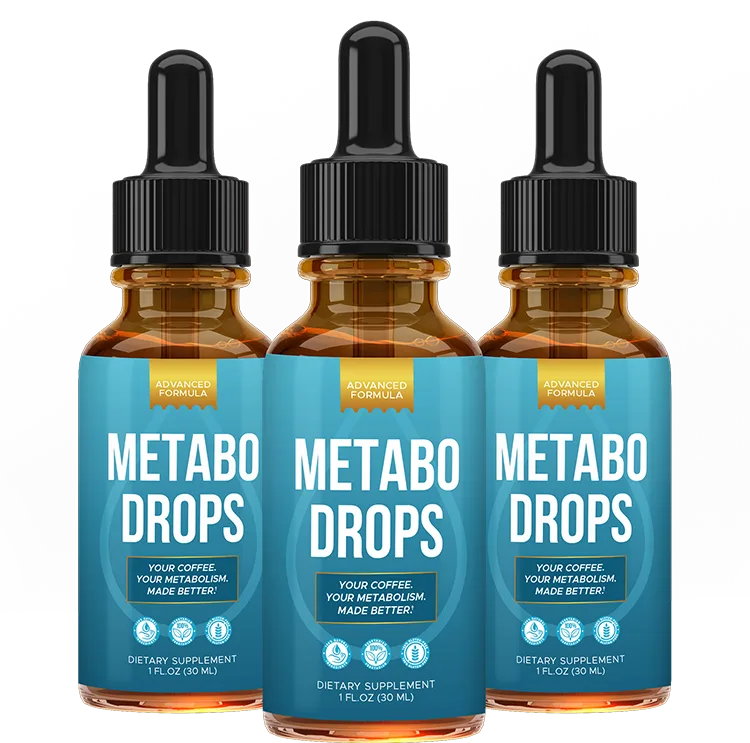
Certain natural compounds and supplements can provide targeted support for metabolic processes. These can help bridge nutritional gaps, enhance fat burning, and improve energy levels when combined with a healthy lifestyle. This is where products like Metabo Drops can play a supportive role.
When Water Isn't Enough: Addressing a Sluggish Metabolism Holistically
While optimal hydration is a critical cornerstone of a healthy metabolism, it's important to recognize that it's often not the sole solution for a persistently sluggish metabolic rate. Many individuals, despite diligent hydration, still struggle with slow metabolism due to a combination of genetic predispositions, lifestyle factors, and specific nutritional deficiencies.
This is where a more comprehensive approach becomes necessary. Beyond ensuring adequate water intake, we need to consider targeted nutritional support that can directly influence the biochemical pathways responsible for energy production and fat burning. Our bodies are complex systems, and sometimes they need a little extra help to function at their best. For example, specific vitamins, minerals, and plant extracts have been scientifically shown to play key roles in metabolic regulation. These ingredients can help optimize mitochondrial function, enhance thermogenesis, support healthy blood sugar levels, and even help manage appetite, all of which are crucial for a vibrant metabolism. This is the philosophy behind advanced metabolic support formulas like Metabo Drops, which are designed to complement your hydration and lifestyle efforts by providing these targeted nutrients. For those looking for a daily metabolic kickstart, our article on Your Morning Metabolism Booster Drops: A Guide to Daily Energy offers additional strategies.
The Metabo Drops Difference: Supporting Your Metabolic Journey
Understanding the intricate relationship between various bodily functions and metabolism led to the development of Metabo Drops. This supplement is designed to work in harmony with your body's natural processes, providing targeted nutritional support where water and diet alone might fall short.
Metabo Drops features a blend of natural ingredients, each selected for its scientifically recognized role in metabolic health. For instance, ingredients like green tea extract are known for their thermogenic properties, similar to how water can induce a slight calorie burn, but often with a more pronounced effect due to catechins like EGCG. L-carnitine supports the transport of fatty acids into the mitochondria, where they are burned for energy, directly aiding lipolysis – a process that, as we've discussed, relies on adequate water. Chromium picolinate helps maintain healthy blood sugar levels, which is vital for preventing energy crashes and controlling cravings that can derail metabolic progress.
The liquid formula of Metabo Drops ensures rapid absorption, meaning the beneficial compounds can quickly get to work supporting your metabolic pathways. When combined with consistent hydration, a balanced diet, and regular physical activity, Metabo Drops acts as a powerful ally, helping to optimize your body's ability to burn fat, increase energy expenditure, and maintain stable energy levels throughout the day. It's not a replacement for water or a healthy lifestyle, but a synergistic enhancement, providing the extra push your metabolism might need to operate at its peak potential. It represents a commitment to comprehensive metabolic wellness, addressing the multifaceted needs of your body to unlock its full energy-burning capacity.
Key Ingredients in Metabo Drops for Metabolic Support
Green Tea Extract
Role: Rich in antioxidants and catechins, particularly EGCG, which are known to enhance thermogenesis and fat oxidation. It helps increase energy expenditure and supports a healthy metabolism.
Standardized to 90% EGCGL-Carnitine
Role: A crucial amino acid that transports fatty acids into the mitochondria, where they are burned for energy. Essential for fat metabolism and energy production, especially during exercise.
500mg per servingChromium Picolinate
Role: An essential trace mineral that helps improve insulin sensitivity, supporting healthy blood sugar levels. This can reduce cravings, stabilize energy, and optimize the body's ability to use glucose for energy, preventing fat storage.
200mcg per servingAfrican Mango Extract (Irvingia Gabonensis)
Role: Known for its potential to support weight management by influencing leptin levels, a hormone that regulates appetite and fat storage. It may also aid in fat breakdown and glucose metabolism.
150mg per servingCapsicum Annuum (Cayenne Pepper)
Role: Contains capsaicin, a compound that has thermogenic properties, increasing heat production and calorie burning. It can also help reduce appetite and support healthy fat oxidation.
Standardized extract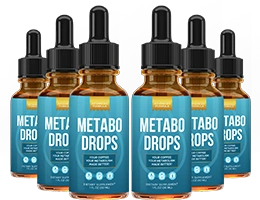
Unlock Your Full Metabolic Potential with Metabo Drops
Don't let a sluggish metabolism hold you back. Metabo Drops offers a scientifically formulated blend of natural ingredients designed to support your body's fat-burning processes, energy levels, and overall metabolic health. Take the step towards a more vibrant, energetic you.
- Supports natural fat burning
- Boosts energy and vitality
- Helps control appetite
- Made with 100% natural ingredients
- Easy-to-use liquid formula for rapid absorption



Real Results from Metabo Drops Users
"I was skeptical, but Metabo Drops changed my energy levels and helped me shed those stubborn pounds. I feel so much lighter and more active!"
"Combining Metabo Drops with my regular hydration routine has made a noticeable difference. My digestion is better, and I have sustained energy throughout the day."
"Finally, a product that works! I've tried everything for my slow metabolism, but Metabo Drops, along with drinking plenty of water, has given me the boost I needed."
Frequently Asked Questions
How does drinking water directly impact metabolism?
+Drinking water can temporarily boost your metabolic rate through a process called water-induced thermogenesis. When you consume water, your body expends energy to warm it to body temperature, slightly increasing calorie burn. Furthermore, water is essential for various metabolic reactions, including the breakdown of fats (lipolysis) and carbohydrates. Without adequate hydration, these processes can slow down, hindering efficient energy production.
Can drinking cold water burn more calories?
+While technically true that your body expends slightly more energy to warm cold water to body temperature compared to room temperature water, the difference in calorie burn is minimal. For instance, drinking 8 glasses (about 2 liters) of ice-cold water might burn an extra 16-20 calories. While every little bit helps, it's not a significant enough factor to rely on for substantial weight loss. The primary metabolic benefits come from consistent, adequate hydration regardless of water temperature.
Is it possible to drink too much water for metabolism?
+Yes, it is possible to drink too much water, a condition known as hyponatremia, where sodium levels in the blood become dangerously low. This is rare in healthy individuals with normal kidney function but can occur with excessive intake, especially during intense exercise without electrolyte replenishment. For metabolic health, focus on consistent, moderate intake rather than extreme volumes. Listen to your body's thirst cues and aim for clear or pale yellow urine.
How do Metabo Drops complement water intake for metabolic health?
+Metabo Drops are formulated with natural ingredients designed to support key metabolic processes that water alone cannot fully address. While water optimizes basic cellular function and thermogenesis, Metabo Drops provide targeted support for fat burning, energy production, and appetite control through ingredients like green tea extract, L-carnitine, and chromium. Together, consistent hydration and Metabo Drops create a comprehensive strategy for enhancing your metabolic rate and achieving your weight management goals.
What are the signs of inadequate hydration affecting metabolism?
+Signs of inadequate hydration that can impact your metabolism include persistent fatigue, reduced energy levels, difficulty concentrating, infrequent urination, dark urine, and dry mouth. Metabolically, dehydration can lead to a slower metabolism, decreased fat burning efficiency, and impaired nutrient transport, making weight management more challenging. It can also be mistaken for hunger, leading to unnecessary calorie intake.
Besides water, what other lifestyle factors significantly impact metabolism?
+Beyond optimal hydration, several key lifestyle factors profoundly influence your metabolic rate. These include regular physical activity (especially strength training to build muscle mass), adequate and quality sleep, a balanced diet rich in whole foods and lean proteins, effective stress management, and certain nutritional supplements like Metabo Drops. Genetics and age also play a role, but lifestyle choices offer significant opportunities for metabolic improvement.
Explore More Ways to Boost Your Metabolism