Can a simple cup of green tea truly revolutionize your metabolism and aid in weight loss?
For centuries, green tea has been revered not just as a beverage, but as a potent elixir with a myriad of health benefits. In recent decades, its potential role in boosting metabolism and supporting weight management has garnered significant scientific attention, leading to a surge in clinical research.
From traditional remedies to modern scientific scrutiny, the humble green tea leaf has been put under the microscope. But beyond anecdotal claims and marketing buzz, what do clinical studies actually reveal about green tea's impact on our metabolic engine? Let's dive deep into the evidence.
The Ancient Brew, Modern Science: Unpacking Green Tea's Power
Green tea, derived from the Camellia sinensis plant, has been a staple in Asian cultures for millennia, cherished for its distinctive flavor and purported medicinal properties. Unlike black tea, it undergoes minimal oxidation during processing, which helps preserve its rich concentration of beneficial compounds, making it a unique subject for metabolic research.
At the heart of green tea's metabolic prowess lies a powerful class of antioxidants called catechins, with epigallocatechin gallate (EGCG) being the most abundant and extensively studied. These compounds, along with naturally occurring caffeine, form the dynamic duo responsible for many of green tea's observed effects on human physiology. Understanding how these components interact is key to appreciating its potential.
Key Bioactive Compounds: EGCG and Caffeine
EGCG is a polyphenol that accounts for a significant portion of green tea's dry weight and is a primary focus of metabolic research. It's known for its robust antioxidant properties, but its role extends to cellular signaling pathways involved in fat metabolism and energy expenditure. Studies suggest EGCG can inhibit certain enzymes that break down norepinephrine, a neurotransmitter that signals fat cells to release fat.
Caffeine, a well-known stimulant, works synergistically with EGCG. It can directly boost energy expenditure and enhance fat oxidation by stimulating the central nervous system. When combined with EGCG, caffeine's effects on thermogenesis—the body's process of producing heat, thereby burning calories—appear to be amplified. This combination creates a more potent metabolic effect than either compound alone.
💡 Key Takeaway
Green tea's metabolic benefits are largely attributed to the synergistic action of EGCG and caffeine, which work together to enhance thermogenesis, fat oxidation, and overall energy expenditure.
Mechanism of Action: How Green Tea Affects Your Metabolic Engine
The interplay between green tea's bioactive compounds and the human body is complex, yet several key mechanisms have been identified that explain its influence on metabolism. These processes contribute to its potential role in weight management and overall metabolic health.
Thermogenesis and Energy Expenditure
One of the most significant ways green tea impacts metabolism is through enhanced thermogenesis. This is the process by which your body generates heat and burns calories in the process. EGCG, in particular, is thought to increase thermogenesis by activating brown adipose tissue (BAT) and by inhibiting an enzyme called catechol-O-methyltransferase (COMT), which degrades norepinephrine. By preserving norepinephrine, EGCG can prolong its fat-burning effects.
Caffeine further amplifies this effect. As a stimulant, it directly increases the release of neurotransmitters like norepinephrine and dopamine, which signal fat cells to break down fat. The combination of EGCG and caffeine has been shown in some studies to significantly increase daily energy expenditure, meaning you burn more calories even at rest.
Fat Oxidation and Lipolysis
Green tea has been observed to promote fat oxidation, the process of burning fat for energy. This is crucial for weight management, as it shifts the body's fuel source towards stored fat. EGCG and caffeine can stimulate lipolysis, the breakdown of fats stored in fat cells (adipocytes) into free fatty acids, which can then be used for energy. This effect is particularly noticeable during exercise, where green tea supplementation has been shown to increase fat oxidation rates.
Glucose Metabolism and Insulin Sensitivity
Beyond fat burning, green tea also plays a role in glucose metabolism and insulin sensitivity. Some research suggests that catechins can help regulate blood sugar levels by inhibiting enzymes involved in carbohydrate digestion and absorption. This can lead to a more stable blood glucose response after meals, which is beneficial for preventing insulin spikes and improving overall metabolic control. Improved insulin sensitivity means your body can use insulin more effectively to manage blood sugar, reducing the risk of insulin resistance and related metabolic disorders.
Clinical Evidence: What the Studies Say About Green Tea and Weight
With the mechanisms understood, it's time to examine the direct evidence from human clinical trials. While the findings are not always uniform, a consistent pattern of modest, yet significant, benefits emerges, especially when green tea is integrated into a healthy lifestyle.
Weight Loss and Body Composition
Numerous studies have investigated green tea's impact on body weight and composition. A meta-analysis published in the International Journal of Obesity found that green tea catechins, particularly EGCG, significantly decreased body weight and body fat, especially in individuals with higher baseline BMI. While the effects are often modest—ranging from a few pounds over several weeks—they are statistically significant and can contribute to overall weight management efforts.
Impact on Visceral Fat
Of particular interest is green tea's potential to reduce visceral fat, the harmful fat stored around abdominal organs. Visceral fat is strongly linked to metabolic syndrome and cardiovascular disease. Some clinical trials have demonstrated that regular consumption of green tea or its extracts can lead to a greater reduction in visceral fat compared to subcutaneous fat, highlighting a targeted benefit for metabolic health.
Enhanced Exercise Performance and Fat Burning
Studies show that consuming green tea extract before exercise can enhance fat oxidation during physical activity. This means the body preferentially burns fat for fuel during workouts, potentially sparing carbohydrate stores and improving endurance. For individuals looking to maximize their fat-burning potential from exercise, green tea can be a valuable pre-workout supplement.
Limitations and Nuances in Research
It's important to acknowledge that not all studies show dramatic results, and some have reported minimal effects. Factors like genetic variations, individual metabolic rates, baseline caffeine intake, and the specific formulation and dosage of green tea extracts can influence outcomes. The metabolic benefits are often more pronounced in individuals who are not habitual caffeine consumers and those with a higher baseline BMI. Consistency and a holistic approach are key.
Beyond Weight: Other Metabolic Benefits of Green Tea
While weight management is a primary focus for many exploring green tea, its benefits extend far beyond the scale, contributing to overall metabolic and cardiovascular health.
Cardiovascular Health
Green tea is rich in antioxidants that help protect against oxidative stress, a key factor in the development of cardiovascular diseases. Studies have indicated that regular green tea consumption can lead to improvements in several markers of heart health, including reductions in LDL ("bad") cholesterol and triglycerides. These effects are crucial for maintaining healthy blood vessels and reducing the risk of heart disease.
Blood Sugar Regulation
As mentioned, green tea can positively influence glucose metabolism. Research suggests that it may help lower fasting blood sugar levels and improve insulin sensitivity, particularly in individuals at risk for type 2 diabetes. By stabilizing blood glucose, green tea contributes to better energy regulation and can help prevent the metabolic imbalances that lead to chronic diseases. This makes it a valuable addition to a diet focused on maintaining healthy blood sugar.
Antioxidant and Anti-inflammatory Effects
The high concentration of catechins, especially EGCG, makes green tea a powerful antioxidant. These compounds combat free radicals in the body, which can cause cellular damage and contribute to aging and various chronic diseases, including metabolic disorders. Furthermore, green tea exhibits anti-inflammatory properties, which can help reduce chronic low-grade inflammation often associated with obesity and metabolic dysfunction. These protective effects contribute significantly to long-term health.
Understanding Green Tea's Active Compounds
Epigallocatechin Gallate (EGCG)
Role: The most abundant and powerful catechin in green tea, EGCG is primarily responsible for enhancing thermogenesis, increasing fat oxidation, and providing significant antioxidant protection. It helps inhibit enzymes that break down norepinephrine, prolonging its fat-burning signals.
Typical dose: 200-500 mg daily (from extract)Caffeine
Role: A natural stimulant that boosts energy expenditure, improves alertness, and enhances the effects of EGCG on fat burning. Caffeine works by stimulating the central nervous system and increasing the release of fat-mobilizing neurotransmitters. It plays a key role in the immediate metabolic boost.
Typical dose: 50-100 mg daily (from tea/extract)L-Theanine
Role: An amino acid unique to tea, L-Theanine contributes to the calm, focused alertness often associated with green tea. While not directly a metabolic booster, it can mitigate some of caffeine's jittery side effects, creating a smoother energy increase and promoting a sense of well-being that supports overall health and adherence to healthy habits.
Typical dose: 20-50 mg dailyOther Polyphenols (e.g., Quercetin)
Role: Green tea contains a spectrum of other beneficial polyphenols and flavonoids, including quercetin. These compounds contribute to the overall antioxidant capacity of green tea and may have additional anti-inflammatory and metabolic-supporting effects, working synergistically with EGCG and caffeine to provide comprehensive health benefits.
Trace amounts to 10s of mgOptimizing Green Tea Intake for Metabolic Health
To harness green tea's metabolic benefits most effectively, consider the form, dosage, and timing of your intake. Small adjustments can make a difference in how your body responds.
Brewed Tea vs. Extracts
For those who enjoy the ritual, brewed green tea is an excellent choice. Aim for 3-5 cups daily to reach beneficial levels of catechins and caffeine, though individual tolerance varies. Opt for high-quality loose-leaf green tea to ensure maximum nutrient content. If convenience or higher, standardized doses are preferred, green tea extracts in capsule or liquid form can be effective. Always choose reputable brands that specify EGCG content.
Timing and Absorption
Consuming green tea or its extracts between meals, or about 30-60 minutes before exercise, may maximize its fat-burning potential. Drinking it with meals can sometimes reduce catechin absorption due to interactions with certain food components. However, for those with caffeine sensitivity or digestive issues, consuming it with a light snack might be preferable.
Quality Matters
The quality of your green tea significantly impacts its effectiveness. Factors like growing conditions, processing methods, and freshness all influence the concentration of beneficial compounds. Look for organic, shade-grown varieties like Matcha, which tend to have higher EGCG levels. For supplements, third-party tested products ensure purity and potency.
A Holistic Approach to Metabolic Wellness
While green tea offers promising metabolic support, it's crucial to remember that it's just one piece of a larger puzzle. True metabolic wellness stems from a comprehensive approach that addresses multiple lifestyle factors.
Balanced Diet & Nutrition
Prioritizing whole, unprocessed foods, ample protein, healthy fats, and complex carbohydrates is fundamental. A diet rich in fiber and micronutrients supports gut health and metabolic function, providing the body with the essential building blocks it needs to operate efficiently. Avoiding excessive sugars and refined grains is critical for stable blood sugar.
Regular Physical Activity
Consistent exercise, combining cardiovascular workouts with strength training, is a powerful metabolism booster. It builds muscle mass, which burns more calories at rest, and improves insulin sensitivity. Even moderate activity like brisk walking can significantly impact your metabolic rate and overall health.
Quality Sleep
Adequate, restorative sleep is non-negotiable for metabolic health. Sleep deprivation disrupts hormones that regulate appetite and metabolism, such as ghrelin and leptin, leading to increased cravings and reduced energy expenditure. To learn more about this critical link, read our article: How Sleep Deprivation Kills Your Metabolism and What To Do.
Stress Management
Chronic stress elevates cortisol levels, which can promote fat storage, especially around the abdomen, and contribute to insulin resistance. Incorporating stress-reducing practices like meditation, yoga, or spending time in nature is vital for maintaining a healthy metabolic state and preventing stress-induced weight gain.
Hormonal Balance
Hormones play a pivotal role in metabolism. Imbalances, especially during life stages like menopause, can significantly impact weight and energy levels. Understanding and supporting hormonal health through diet and lifestyle is crucial. For women, this is particularly relevant; explore Metabolism After Menopause: How Women Can Stay Lean Naturally.
Gut Health
An often-overlooked aspect, a healthy gut microbiome influences nutrient absorption, energy regulation, and immune function. A diverse and balanced gut flora can positively impact your metabolism, making it easier to manage weight and maintain overall health. Probiotic-rich foods and fiber are excellent for gut support.
Supporting Your Metabolism Naturally: The Role of Supplements
While green tea, diet, and exercise form the foundation of metabolic health, natural supplements can offer complementary support, especially when formulated to enhance the body's innate processes. They are not replacements for a healthy lifestyle but can act as powerful allies.
Supplements designed for metabolic support often leverage ingredients known to synergize with the body's natural fat-burning and energy-regulating pathways. These might include specific vitamins, minerals, or botanical extracts that have been studied for their effects on thermogenesis, fat oxidation, or glucose management. The goal is to provide targeted nutrients that might be difficult to obtain in sufficient quantities from diet alone, or to offer a concentrated form of beneficial compounds.
When considering supplements, it's essential to look for products that are transparent about their ingredients, dosages, and manufacturing quality. A well-formulated supplement will aim to support multiple facets of metabolism, rather than focusing on a single mechanism. For example, some may combine green tea extract with other natural compounds to amplify its benefits. For those exploring other natural metabolic aids, you might find our review on Coffee Metabolism Drops Review insightful for comparison.
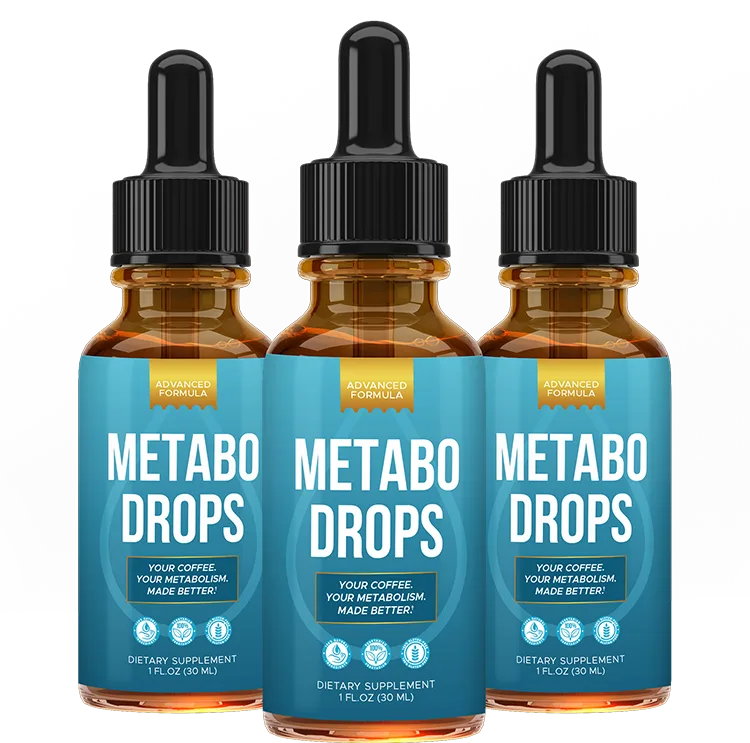
Metabo Drops, for instance, is designed as a natural solution to help optimize your metabolic rate. It aims to support your body's ability to burn fat more efficiently, boost energy levels, and improve overall metabolic function. It's formulated with a blend of ingredients chosen for their scientific backing in supporting a healthy metabolism, working in harmony with the principles discussed throughout this article. It represents one such option among many natural supplements available to those seeking to enhance their metabolic wellness.

Ready to Experience Enhanced Metabolic Support?
After understanding the science behind natural metabolic boosters like green tea, you might be looking for a convenient and effective way to integrate this knowledge into your daily routine. Metabo Drops offers a scientifically formulated blend designed to complement your efforts for a healthier, more active metabolism.
- ✓ Supports natural fat-burning processes
- ✓ Boosts energy levels and vitality
- ✓ Helps maintain a healthy metabolic rate
- ✓ Made with 100% natural, scientifically-backed ingredients
- ✓ Easy-to-use liquid drops for quick absorption




Hear From Our Satisfied Customers
"I was skeptical about supplements, but Metabo Drops truly surprised me. I've felt more energetic and my clothes are fitting better. It's been a fantastic addition to my healthy eating plan."
"After struggling with a slow metabolism for years, Metabo Drops has given me a noticeable lift. I feel more active throughout the day, and it's helped me stay consistent with my workouts."
"This product is a game-changer! My energy has improved, and I've finally started seeing progress in my weight management goals. It's easy to take and I highly recommend it."
Frequently Asked Questions
How does green tea actually boost metabolism?
+Green tea contains catechins, particularly epigallocatechin gallate (EGCG), and caffeine. EGCG is believed to increase thermogenesis, the body's process of producing heat, which burns calories. Caffeine acts as a stimulant, further enhancing energy expenditure. Together, they can promote fat oxidation, leading to a slight but measurable increase in metabolic rate and fat burning, especially during exercise.
Is brewed green tea as effective as green tea extract supplements?
+Both brewed green tea and standardized extracts can be effective, but they offer different advantages. Brewed tea provides a natural source of catechins and caffeine along with other beneficial compounds. Extracts, however, can deliver a more concentrated and consistent dose of active ingredients like EGCG, which may be beneficial for specific metabolic goals. The efficacy depends on the quality and dosage of the extract versus the preparation and type of brewed tea.
How much green tea should I drink daily for metabolic benefits?
+Clinical studies often use doses equivalent to consuming 3-5 cups of green tea daily, or extracts providing 200-500 mg of EGCG and 50-100 mg of caffeine. However, individual responses vary, and it's essential to consider your caffeine sensitivity. Starting with 1-2 cups and gradually increasing, or following supplement guidelines, is a common approach. Always consult a healthcare professional before making significant dietary changes.
Are there any side effects of consuming green tea for metabolism?
+Generally, green tea is well-tolerated. However, due to its caffeine content, excessive intake can lead to side effects such as jitters, insomnia, heart palpitations, or digestive upset in sensitive individuals. High doses of green tea extract on an empty stomach have been linked to liver issues in very rare cases. It's advisable to consume green tea with food and within recommended limits.
Can green tea help with significant weight loss on its own?
+While green tea can modestly boost metabolism and fat oxidation, it is not a magic bullet for significant weight loss on its own. Its effects are generally observed as a complementary aid within a comprehensive weight management strategy that includes a balanced diet, regular exercise, and a healthy lifestyle. Expecting dramatic results from green tea alone may lead to disappointment; it's a supportive tool, not a primary solution.
What makes Metabo Drops different from just drinking green tea?
+While green tea is a powerful natural compound, Metabo Drops is formulated to provide a targeted blend of ingredients that work synergistically to support overall metabolic health, not just relying on one component. It often includes other natural extracts known for their metabolic benefits, aiming for a more comprehensive approach to energy, fat burning, and glucose regulation. It offers a convenient, consistent dosage designed for maximum efficacy alongside healthy habits. For more details on its unique formulation, visit the official Metabo Drops website.
Related Articles