Are You Secretly Battling a Sluggish Metabolism?
Many of us experience unexplained weight gain, persistent fatigue, or a general feeling of being "stuck" when it comes to our health goals. We diet, we exercise, but the results just aren't there. The culprit? Often, it's a slow metabolism working against us, making every effort feel like an uphill battle.
Understanding the signs of a sluggish metabolism is the first step towards reclaiming your vitality. In this comprehensive guide, we'll dive deep into recognizing these subtle yet significant indicators and, more importantly, equip you with natural, evidence-based strategies to kickstart your metabolic engine, helping you feel energized, shed stubborn weight, and optimize your overall health.
What Exactly is Metabolism and Why Does It Matter So Much?
Before we delve into the signs of a slow metabolism, it's crucial to understand what metabolism actually is and its pivotal role in your overall health and well-being.
At its core, metabolism refers to all the chemical processes that occur continuously inside your body to keep you alive and functioning. These processes are essential for every bodily function, from breathing and thinking to growing and repairing cells. Think of your body as a complex engine, and metabolism is the fuel conversion system that keeps it running.
There are two main processes involved:
- Anabolism: The building up of substances, like building muscle mass.
- Catabolism: The breaking down of substances, like breaking down food for energy.
A healthy, efficient metabolism means your body is effectively converting food into usable energy, managing nutrient distribution, and maintaining optimal cellular function. When your metabolism slows down, these processes become less efficient, leading to a cascade of unwelcome symptoms that can significantly impact your quality of life.
The Telltale Signs: Is Your Metabolism Secretly Sluggish?
A slow metabolism doesn't always announce itself with flashing lights. Often, its symptoms are subtle, easily mistaken for general aging or everyday stress. However, recognizing these persistent signs is key to addressing the underlying issue.
Unexplained Weight Gain
This is perhaps the most common and frustrating sign. If you're gaining weight despite not significantly changing your diet or exercise routine, or if you find it incredibly hard to lose weight, a slow metabolism might be to blame. Your body is storing more calories as fat rather than burning them for energy, leading to a gradual accumulation of pounds.
Persistent Fatigue and Low Energy
Metabolism is all about energy production. When it's slow, your body struggles to efficiently convert food into fuel, leaving you feeling constantly tired, sluggish, and lacking motivation. This isn't just a physical tiredness; it can also manifest as mental fatigue or brain fog, making it hard to concentrate.
Difficulty Losing Weight
Even with strict dieting and consistent exercise, the scale barely budges. This resistance to weight loss is a classic indicator of a slowed metabolic rate. Your body is holding onto energy reserves, making it challenging to create the calorie deficit needed for effective fat burning.
Increased Cold Sensitivity
Your metabolism generates heat as a byproduct of energy production, helping to regulate your body temperature. If you often feel cold, especially in your hands and feet, or find yourself needing extra layers when others are comfortable, it could be a sign that your metabolic furnace isn't burning as hot as it should be.
Dry Skin, Brittle Nails, and Hair Loss
A sluggish metabolism can impact the health of your skin, hair, and nails due to reduced nutrient delivery and slower cell turnover. You might notice your skin becoming unusually dry, your nails breaking easily, or your hair thinning and losing its luster. These are often signs of broader systemic inefficiencies.
Frequent Headaches and Brain Fog
The brain is a massive energy consumer. When metabolism is slow, the brain may not receive a consistent and adequate supply of glucose, leading to symptoms like frequent headaches, difficulty concentrating, memory issues, and a general feeling of mental fogginess. This can severely impact daily productivity and cognitive function.
Digestive Issues
Metabolism also influences gut motility and digestive enzyme production. A slow metabolism can lead to a slower digestive process, resulting in common issues like constipation, bloating, and indigestion. An unhealthy gut microbiome can further exacerbate metabolic inefficiencies, creating a vicious cycle.
Mood Swings and Irritability
The metabolic system is intricately linked with hormone regulation and neurotransmitter balance. When metabolism is out of whack, it can affect mood-regulating chemicals in the brain, leading to increased irritability, anxiety, or even symptoms of depression. Stable energy levels are crucial for stable mood.
💡 Key Takeaway
Recognizing a combination of these symptoms is crucial. If you're experiencing several of these signs persistently, it's a strong indication that your metabolism might be slowing down and could benefit from targeted natural interventions.
Common Culprits: Why Does Metabolism Slow Down?
Understanding the factors that contribute to a sluggish metabolism is just as important as recognizing its signs. Many of these factors are within our control, offering clear pathways for intervention and improvement.
One of the most significant factors is age. As we get older, particularly after 40, our muscle mass naturally declines, and our body's overall metabolic rate tends to decrease. This is why maintaining muscle through strength training becomes even more vital with age. Another major contributor is dietary habits. Diets high in processed foods, refined sugars, and unhealthy fats can disrupt metabolic hormones and lead to insulin resistance, making it harder for the body to burn fat efficiently.
A lack of physical activity is also a huge metabolic inhibitor. Our bodies are designed to move, and a sedentary lifestyle signals to the body that it doesn't need to burn much energy. This leads to reduced calorie expenditure and a lower BMR. Similarly, sleep deprivation dramatically impacts metabolism. Insufficient sleep disrupts hormones like ghrelin (which stimulates appetite) and leptin (which signals fullness), leading to increased hunger and cravings for high-calorie foods. It also affects insulin sensitivity and cortisol levels, both critical for metabolic health.
Chronic stress is another silent metabolic disruptor. Prolonged stress keeps cortisol levels elevated, which can promote fat storage, particularly visceral fat around the abdomen, and contribute to insulin resistance. Moreover, hormonal imbalances, such as an underactive thyroid (hypothyroidism), can significantly slow metabolism. Thyroid hormones play a direct role in regulating metabolic rate, and any imbalance can have profound effects. Certain medications, including some antidepressants, beta-blockers, and steroids, can also have a side effect of slowing metabolism and causing weight gain.
Reigniting Your Inner Furnace: Natural Strategies to Boost Metabolism
The good news is that you have significant power to influence and improve your metabolic rate through natural, sustainable strategies. It's about creating a holistic environment where your body can thrive.
1. Optimize Your Diet for Metabolic Health
Your diet is perhaps the most powerful tool for metabolic regulation. Focus on nutrient-dense, whole foods that support efficient energy production.
- Prioritize Protein: Protein has a higher thermic effect of food (TEF) compared to fats and carbs, meaning your body burns more calories digesting it. Aim for a lean protein source with every meal, such as chicken, fish, eggs, legumes, or tofu. This also helps preserve muscle mass.
- Load Up on Fiber-Rich Foods: Foods high in fiber, like vegetables, fruits, and whole grains, not only promote satiety but also support a healthy gut microbiome, which is increasingly linked to metabolic health. They slow digestion, preventing blood sugar spikes that can lead to metabolic dysfunction.
- Incorporate Healthy Fats: Don't fear fats! Healthy fats from avocados, nuts, seeds, and olive oil are essential for hormone production and can help keep you feeling full and satisfied, preventing overeating.
- Stay Hydrated: Water is crucial for almost every metabolic process. Even mild dehydration can slow down your metabolism. Aim to drink plenty of water throughout the day. Sometimes, what feels like hunger is actually thirst.
- Embrace Metabolism-Boosting Foods: Certain foods contain compounds that can give your metabolism a gentle nudge. Chili peppers contain capsaicin, green tea is rich in catechins, and coffee contains caffeine – all of which have been shown to temporarily increase metabolic rate. If you're looking for an added boost, consider exploring options like the best coffee additive for fat burning to enhance this natural effect.
- Eat Regularly and Mindfully: Skipping meals can signal your body to conserve energy, slowing metabolism. Eating regular, balanced meals and snacks helps keep your metabolic fire burning steadily. Practice mindful eating to recognize your body's hunger and fullness cues.
2. Strategic Exercise for Enhanced Calorie Burn
Movement is fundamental to a healthy metabolism. It’s not just about burning calories during exercise, but about building muscle and boosting your resting metabolic rate.
- Strength Training is King: Muscle tissue burns more calories at rest than fat tissue. Incorporating 2-3 strength training sessions per week can significantly increase your basal metabolic rate over time. Focus on compound movements that work multiple muscle groups.
- High-Intensity Interval Training (HIIT): Short bursts of intense exercise followed by brief recovery periods can create an "afterburn effect" (EPOC - Excess Post-exercise Oxygen Consumption), where your body continues to burn calories at an elevated rate for hours after your workout.
- Don't Forget NEAT: Non-Exercise Activity Thermogenesis (NEAT) refers to the calories burned through everyday activities that aren't formal exercise, like walking, fidgeting, and standing. Increasing your NEAT by taking the stairs, parking further away, or standing while working can add up to significant calorie expenditure.
3. Lifestyle Adjustments for Metabolic Harmony
Beyond diet and exercise, several lifestyle factors play a critical role in metabolic health.
- Prioritize Quality Sleep: Aim for 7-9 hours of uninterrupted sleep per night. Poor sleep disrupts hormones like leptin and ghrelin, leading to increased appetite and fat storage. It also impacts insulin sensitivity, making your body less efficient at processing glucose.
- Manage Stress Effectively: Chronic stress elevates cortisol, a hormone that promotes fat storage and can lead to metabolic syndrome. Incorporate stress-reducing practices like meditation, yoga, deep breathing exercises, or spending time in nature.
- Get Enough Sunlight (Vitamin D): Vitamin D plays a role in numerous metabolic processes, including insulin sensitivity and fat metabolism. Safe sun exposure or supplementation can help maintain optimal levels.
4. Consider Natural Metabolic Support Supplements
While diet and lifestyle are foundational, certain natural supplements can offer targeted support for a sluggish metabolism, especially when combined with healthy habits. These are not magic pills, but they can provide beneficial compounds that enhance your body's natural metabolic processes.
Many individuals find success with supplements containing ingredients known for their thermogenic properties or ability to support healthy blood sugar and fat metabolism. For those exploring effective solutions, liquid supplements for weight loss have gained popularity due to their bioavailability and ease of use. Among these, metabolism drops that actually work often feature a blend of botanical extracts and essential nutrients.
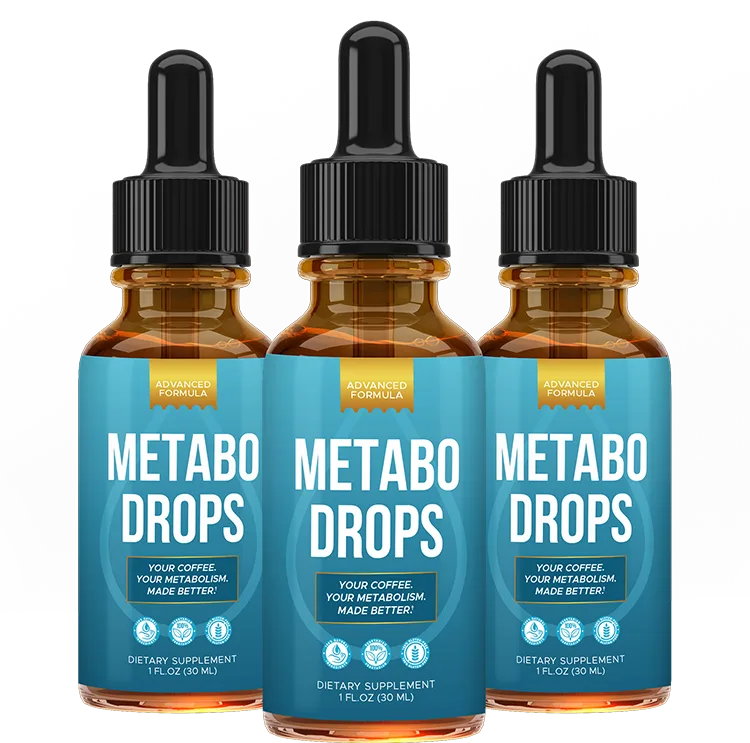
One such option is **Metabo Drops**. This natural formula is designed to support your body’s metabolic rate, encourage fat burning, and boost energy levels. It typically includes ingredients like:
- African Mango Extract: Known for its potential to support weight management and leptin sensitivity.
- L-Ornithine: An amino acid that may help with detoxification and energy.
- L-Carnitine: Plays a crucial role in transporting fatty acids to the mitochondria for energy production.
- L-Arginine: Supports nitric oxide production, which can improve blood flow and nutrient delivery.
- Beta-Alanine: Supports endurance and can help with overall physical activity, indirectly boosting calorie burn.
- Maca Root: An adaptogen known for its energy-boosting and hormone-balancing properties.
- Grape Seed Extract: A powerful antioxidant that may support metabolic health.
💡 Key Takeaway
Boosting your metabolism requires a multi-faceted approach. By making conscious choices in your diet, incorporating consistent exercise, managing stress, prioritizing sleep, and considering targeted natural supplements like Metabo Drops, you can effectively reignite your metabolic fire and experience profound improvements in energy, weight management, and overall health.
The Profound Benefits of an Optimized Metabolism
When your metabolism is functioning at its best, the positive impacts ripple throughout your entire body and mind. It's not just about weight loss; it's about a complete revitalization.
Sustainable Weight Management
An efficient metabolism means your body is consistently burning calories for energy, not storing them as excess fat. This makes it easier to achieve and maintain a healthy weight, reducing the struggle of restrictive dieting and promoting long-term success in your weight loss journey.
Increased Energy Levels
With a well-functioning metabolism, your body efficiently converts food into readily available energy. This translates to sustained energy throughout the day, eliminating the mid-afternoon slumps and providing the vitality needed for daily tasks, exercise, and active living.
Improved Mood and Cognitive Function
A stable metabolism ensures a steady supply of glucose to the brain, supporting optimal brain function. This can lead to enhanced focus, clearer thinking, improved memory, and a more stable mood, reducing instances of brain fog and irritability.
Better Hormonal Balance
Metabolism is deeply intertwined with the endocrine system. An optimized metabolic rate can help regulate hormones like insulin, thyroid hormones, and sex hormones, which in turn can improve everything from sleep quality to reproductive health and emotional well-being.
Enhanced Immune System
A healthy metabolism supports the body's overall cellular health and repair mechanisms. This means your immune system can function more robustly, making you less susceptible to illness and helping your body recover more quickly when you do get sick.
Healthier Skin, Hair, and Nails
With improved nutrient delivery and efficient cellular turnover, the health of your skin, hair, and nails often sees a significant boost. You may notice more radiant skin, stronger nails, and thicker, shinier hair as a result of your body functioning optimally.
Debunking Common Metabolism Myths
There's a lot of misinformation surrounding metabolism. Let's clear up some common myths that might be hindering your progress.
Myth: Eating late at night slows metabolism.
Fact: The timing of your meals has less impact on your metabolism than the total calories and quality of food consumed over 24 hours. While eating very large, calorie-dense meals right before bed might lead to less efficient digestion and poorer sleep, the direct effect on your metabolic rate is minimal compared to overall caloric balance and nutrient intake.
Myth: Starvation diets boost metabolism.
Fact: Extreme calorie restriction actually *slows* your metabolism. When you drastically cut calories, your body goes into "survival mode," conserving energy by lowering its metabolic rate. This is why crash diets often lead to quick initial weight loss followed by a plateau and eventual weight regain. Sustainable weight loss requires a moderate calorie deficit and nutrient-rich foods.
Myth: Cardio is the only way to boost metabolism.
Fact: While cardio burns calories during the workout, strength training has a more significant long-term impact on your resting metabolic rate. Muscle tissue is metabolically more active than fat tissue, meaning the more muscle you have, the more calories your body burns at rest, even when you're not exercising.
Myth: Skinny people have fast metabolisms, overweight people have slow ones.
Fact: While there's a genetic component to metabolism, it's not a simple fast/slow binary. Larger individuals often have a higher basal metabolic rate because they have more body mass (including muscle) to support. Lifestyle factors, diet, activity levels, and underlying health conditions play a much larger role than a predetermined "fast" or "slow" metabolism.

Ready to Naturally Reignite Your Metabolism?
If you're experiencing the frustrating signs of a slow metabolism and are ready to take a natural approach to revitalize your body, Metabo Drops offers a powerful solution. Formulated with a blend of clinically studied ingredients, Metabo Drops is designed to support your body's natural fat-burning processes and boost your energy from within.
- ✓ Supports a healthy metabolic rate
- ✓ Promotes natural fat burning and weight management
- ✓ Boosts sustained energy levels
- ✓ Made with 100% natural, high-quality ingredients
- ✓ Easy-to-use liquid formula for optimal absorption



What Our Customers Are Saying
"I was constantly tired and couldn't lose weight no matter what. After a few weeks of Metabo Drops, I have more energy than I've had in years, and the scale is finally moving! It feels like my body is working with me again, not against me."
"I've tried so many things to boost my metabolism, but Metabo Drops is the first one that truly made a difference. My digestion is better, my brain fog is gone, and I just feel lighter and more active. Highly recommend for anyone feeling sluggish."
"As a busy mom, energy is everything. Metabo Drops has been a game-changer. I'm less tired, my cravings have diminished, and I've even lost some stubborn belly fat. It's an easy addition to my morning routine and the results are fantastic."
Frequently Asked Questions
What exactly is metabolism and why is it important for my health?
+Metabolism refers to all the chemical processes that occur in your body to maintain life. This includes converting food into energy, building and repairing tissues, and eliminating waste. A healthy metabolism is crucial because it dictates how efficiently your body performs these functions, impacting everything from your energy levels and weight to your immune response and cognitive function.
How can I tell if my metabolism is truly slow, or if it's something else?
+While symptoms like unexplained weight gain, chronic fatigue, and difficulty losing weight are strong indicators, they can also be linked to other health conditions. It’s important to observe a combination of these signs. If you suspect a slow metabolism, consulting a healthcare professional for a proper diagnosis, which might include blood tests to check thyroid function or other metabolic markers, is always recommended.
Are there specific foods that can actively boost my metabolism?
+Yes, certain foods can help! High-protein foods (like lean meats, eggs, legumes), fiber-rich vegetables, and healthy fats (avocado, nuts) require more energy to digest, slightly increasing your metabolic rate. Spices like chili peppers, and beverages like green tea and coffee, also contain compounds that can provide a temporary metabolic kick. Incorporating these into a balanced diet can be beneficial.
How much exercise is truly needed to impact metabolism?
+For significant metabolic impact, a combination of strength training and cardiovascular exercise is ideal. Strength training builds muscle mass, which burns more calories at rest than fat. Aim for 2-3 sessions of strength training per week. Moderate-intensity cardio for 150-300 minutes per week (e.g., brisk walking, jogging) also helps burn calories and improve overall metabolic health. Even short bursts of high-intensity interval training (HIIT) can have a lasting metabolic effect.
Can stress and sleep really affect my metabolic rate?
+Absolutely. Chronic stress elevates cortisol levels, which can promote fat storage, especially around the abdomen, and disrupt metabolic processes. Poor sleep also negatively impacts hormones that regulate appetite and metabolism, such as ghrelin and leptin, making you more prone to cravings and weight gain. Prioritizing stress management and 7-9 hours of quality sleep nightly are vital for a healthy metabolism.
How do natural supplements like Metabo Drops fit into a metabolism-boosting plan?
+Natural supplements can complement a healthy diet and lifestyle by providing targeted nutrients and botanical extracts known to support metabolic function. Metabo Drops, for example, is formulated with ingredients selected for their potential to enhance energy production, support fat burning, and balance metabolic processes. They are designed to work synergistically with your body's natural systems, offering an additional layer of support for those looking to optimize their metabolism naturally.
Related Articles