Are your daily stresses secretly expanding your waistline?
Many of us strive for a healthier lifestyle, meticulously counting calories, hitting the gym, and trying to make nutritious choices. Yet, for some, that stubborn belly fat just won't budge. This can be incredibly frustrating, leading to feelings of defeat and questions about why our efforts aren't yielding results.
What if the missing piece of the puzzle isn't just diet or exercise, but something far more insidious and pervasive in modern life? Emerging research, particularly in neurology and endocrinology, points to a powerful culprit often overlooked: chronic stress and its profound impact on your metabolism.
The Stress-Metabolism Connection: A Deep Dive
From a neurological perspective, the human body is incredibly adept at survival. When faced with a threat, real or perceived, our ancient "fight or flight" response kicks in. While this was crucial for escaping predators in our evolutionary past, today, the "threats" are more often deadlines, financial worries, or relationship tensions. Our bodies, however, often react the same way.
At the heart of this reaction is the release of a cascade of hormones, primarily cortisol, often dubbed the "stress hormone." As a neurology researcher with over a decade of experience, I've observed how this hormonal response, when prolonged, can wreak havoc on nearly every system in the body, especially your metabolism.
Cortisol: The Master of Metabolic Mayhem
When stress becomes chronic, your adrenal glands continuously pump out cortisol. This hormone has several critical functions that, when imbalanced, directly contribute to metabolic dysfunction and fat accumulation:
- Increased Blood Sugar: Cortisol's primary role in a stress response is to provide your body with immediate energy. It does this by tapping into your glucose stores, leading to an increase in blood sugar. While helpful in an emergency, chronically elevated blood sugar can lead to insulin resistance over time. Your cells become less responsive to insulin, forcing your pancreas to produce more, creating a vicious cycle.
- Enhanced Fat Storage, Especially Visceral Fat: Here's where belly fat comes in. Cortisol specifically signals your body to store fat, particularly around the abdominal area. This isn't just superficial fat; it's often visceral fat, which wraps around your internal organs. Visceral fat is metabolically active, releasing inflammatory compounds that further disrupt metabolism and increase the risk of chronic diseases.
- Increased Appetite and Cravings: Stress often leads to "stress eating." Cortisol can stimulate appetite, especially for high-calorie, high-sugar, and high-fat foods, which provide a temporary sense of comfort. This isn't just a lack of willpower; it's a physiological response driven by hormonal signals telling your body to stock up on energy for the perceived ongoing threat.
- Slowed Metabolism: In a state of chronic stress, your body conserves energy. It perceives itself to be in a crisis, so it slows down non-essential processes, including your metabolic rate. This means you burn fewer calories at rest, making weight loss incredibly challenging even with diet and exercise.
The insidious nature of stress-induced metabolic changes is that they often operate silently, making it difficult to pinpoint the root cause of stubborn weight gain or difficulty losing weight. It's a complex interplay of hormones, brain signals, and cellular responses.
💡 Key Takeaway
Chronic stress triggers sustained cortisol release, which directly promotes increased blood sugar, visceral fat storage, heightened appetite for unhealthy foods, and a slowdown in metabolic rate, making belly fat accumulation almost inevitable.
Beyond Cortisol: Other Stress-Induced Metabolic Disruptions
While cortisol is a primary player, stress impacts metabolism through several other pathways, creating a multi-faceted challenge for maintaining a healthy weight and body composition.
Neurotransmitter Imbalance
Chronic stress depletes key neurotransmitters like serotonin and dopamine, which are crucial for mood regulation and appetite control. Low serotonin can lead to increased cravings, particularly for carbohydrates, as the body attempts to self-medicate and boost serotonin levels. This often results in a cycle of emotional eating and weight gain.
Sleep Deprivation
Stress is a major contributor to poor sleep quality and duration. Lack of adequate sleep significantly impacts metabolic hormones. It decreases leptin (the satiety hormone) and increases ghrelin (the hunger hormone), leading to increased appetite and cravings for energy-dense foods. To learn more about this critical link, read our article on how sleep deprivation kills your metabolism and what to do.
Inflammation
Chronic stress promotes systemic inflammation. This low-grade inflammation can interfere with insulin signaling, exacerbating insulin resistance and making fat loss more difficult. It also contributes to a host of other health issues, creating a vicious cycle where stress leads to inflammation, which in turn impairs metabolic function.
Gut Microbiome Disruption
The gut-brain axis is a two-way street. Stress can alter the composition of your gut microbiome, favoring bacteria that are linked to weight gain and metabolic dysfunction. A healthy gut is essential for efficient nutrient absorption and metabolic regulation, and stress can directly undermine this delicate balance.
Thyroid Dysfunction
While not a direct cause, chronic stress can negatively impact thyroid function. The thyroid gland plays a central role in regulating metabolism. When stress hormones are consistently high, they can interfere with the conversion of thyroid hormones, leading to a sluggish metabolism and symptoms like fatigue and weight gain.

Recognizing the Signs: Is Stress Affecting Your Metabolism?
It's not always obvious that stress is the underlying cause of your metabolic woes. Many symptoms can be attributed to other factors, but when they appear together, stress is often a key contributor. Understanding these signs is the first step towards intervention.
You might be experiencing stress-induced metabolic disruption if you notice:
- Persistent Belly Fat: Despite regular exercise and a healthy diet, you struggle to lose weight around your midsection, especially if it's "apple-shaped" fat.
- Increased Cravings: You find yourself constantly craving sugary, salty, or fatty comfort foods, particularly when feeling overwhelmed or tired.
- Unexplained Weight Gain: You're gaining weight without significant changes in your diet or activity levels.
- Difficulty Losing Weight: Your weight loss efforts seem to hit a plateau quickly, even with consistent dedication.
- Fatigue and Low Energy: You feel tired all the time, even after a full night's sleep, and rely on caffeine to get through the day.
- Mood Swings and Irritability: You experience heightened emotional reactivity, anxiety, or feelings of being constantly on edge.
- Poor Sleep Quality: You struggle to fall asleep, stay asleep, or wake up feeling refreshed.
- Digestive Issues: You frequently experience bloating, constipation, or other gastrointestinal discomfort.
If these sound familiar, it's crucial to address the stress component directly. Ignoring it can lead to a downward spiral where metabolic health progressively worsens. For more insights on recognizing metabolic issues, you might find our article on signs of slow metabolism and how to fix it naturally very helpful.
Holistic Strategies to Combat Stress-Induced Belly Fat
Addressing stress and its metabolic consequences requires a multifaceted approach. There's no single magic bullet, but a combination of lifestyle changes can make a profound difference. Here are evidence-backed strategies:
Mindful Stress Management
Incorporate practices like meditation, deep breathing exercises, yoga, or tai chi into your daily routine. Even 10-15 minutes a day can significantly lower cortisol levels, improve mood, and enhance your body's ability to cope with stressors.
Prioritize Quality Sleep
Aim for 7-9 hours of uninterrupted sleep per night. Establish a consistent sleep schedule, create a relaxing bedtime routine, and optimize your sleep environment (dark, cool, quiet). Quality sleep is paramount for hormonal balance and metabolic repair.
Regular Physical Activity
Engage in moderate exercise most days of the week. While intense exercise can temporarily raise cortisol, regular moderate activity (like brisk walking, swimming, or cycling) is excellent for stress reduction, insulin sensitivity, and maintaining a healthy metabolic rate. Focus on activities you enjoy to make it sustainable.
Nutrient-Dense Diet
Focus on whole, unprocessed foods. Incorporate plenty of fruits, vegetables, lean proteins, and healthy fats. Limit refined sugars, processed carbs, and excessive caffeine. Foods rich in magnesium, B vitamins, and omega-3 fatty acids are particularly beneficial for stress response and metabolic health.
Stay Hydrated
Drinking enough water is essential for all metabolic processes, including fat burning and waste elimination. Dehydration can also exacerbate feelings of fatigue and stress, making it harder to manage cravings and maintain energy levels.
Cultivate Social Connections
Strong social support networks are a powerful buffer against stress. Spend time with loved ones, engage in community activities, or seek professional support if you're struggling to manage chronic stress on your own.
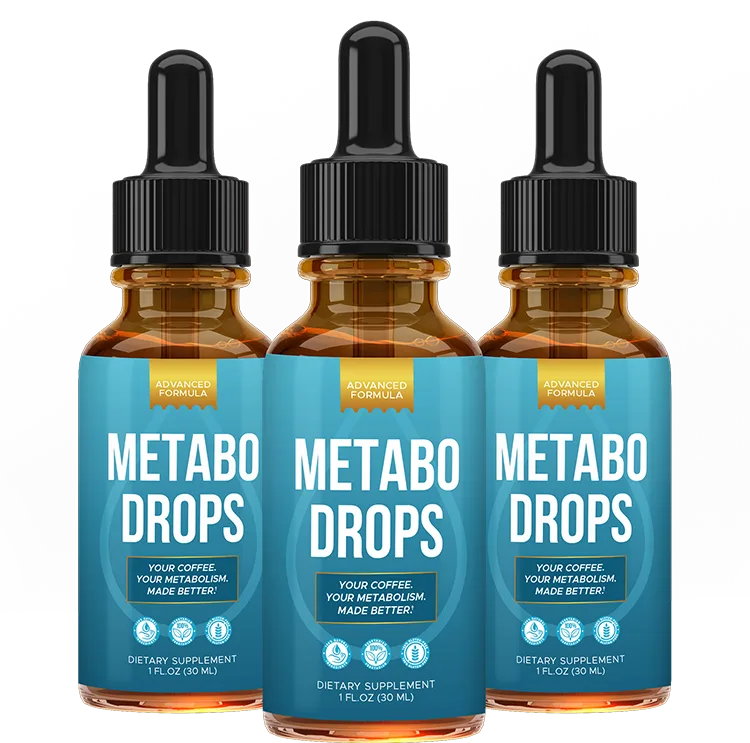
Supporting Your Body's Natural Balance with Metabo Drops
While lifestyle changes are fundamental, sometimes our bodies need a little extra support to regain metabolic balance, especially when battling the persistent effects of chronic stress. This is where targeted nutritional support, like Metabo Drops, can play a role as *one* solution among many in your holistic strategy.
Metabo Drops is designed to work synergistically with your body's natural processes, aiming to optimize metabolic function and support a healthy stress response. It's not a replacement for healthy habits, but rather a complementary tool to help you achieve your goals more effectively.
The formulation focuses on ingredients that research suggests can:
- Aid in Fat Metabolism: By supporting the body's natural fat-burning processes, especially the breakdown of stubborn fat stores.
- Balance Hormonal Response: Helping to modulate the body's reaction to stress and support healthy cortisol levels.
- Support Healthy Blood Sugar: Contributing to better insulin sensitivity and glucose regulation, which is crucial for preventing fat storage.
- Boost Energy Levels: Providing sustained energy without jitters, helping to combat the fatigue often associated with a sluggish metabolism and chronic stress.
- Reduce Cravings: By supporting neurotransmitter balance and blood sugar stability, it can help diminish the urge for unhealthy comfort foods.
Many users have reported positive experiences integrating Metabo Drops into their routine, noting improvements in energy, reduced cravings, and progress in managing their weight. You can read more about real experiences and results in our Metabo Drops reviews: real results article.
Key Ingredients in Metabo Drops and Their Role
Metabo Drops utilizes a blend of natural ingredients, each selected for its potential to support metabolic health and a balanced stress response. While specific dosages vary, the focus is on synergistic action.
Chromium Picolinate
Role: Enhances insulin sensitivity, helping the body use glucose more effectively and reducing fat storage. It can also help curb sugar cravings.
200-400 mcgGreen Tea Extract (EGCG)
Role: A powerful antioxidant that boosts thermogenesis (calorie burning) and fat oxidation. It also contains L-Theanine, which promotes relaxation without drowsiness, aiding stress management.
250-500 mgRhodiola Rosea
Role: An adaptogenic herb that helps the body adapt to stress, normalizing cortisol levels and reducing fatigue. It can improve mental and physical performance, indirectly supporting consistent healthy habits.
200-600 mgGinseng (Panax)
Role: Known for its ability to enhance energy, reduce fatigue, and support cognitive function. It also has properties that can help regulate blood sugar and improve metabolic flexibility.
100-400 mgL-Carnitine
Role: A key amino acid that transports fatty acids into the mitochondria, where they are burned for energy. This can enhance fat burning and improve energy levels, especially during exercise.
500-2000 mgB Vitamins Complex
Role: Essential cofactors in numerous metabolic processes, including energy production from carbohydrates, fats, and proteins. They also play a crucial role in nervous system function and stress response.
Varies by B vitaminThe Path Forward: Reclaiming Your Metabolic Health
Understanding the profound link between stress and your metabolism is the first step towards reclaiming your health. It empowers you to look beyond simple calorie counting and address the deeper physiological mechanisms at play.
Remember, your body is an intricate system, and when one part is under duress (like chronic stress), it impacts everything else. By prioritizing stress management, adopting healthy lifestyle habits, and considering supportive supplements like Metabo Drops, you can create a powerful synergy that helps reverse the effects of stress-induced metabolic dysfunction.
The journey to a healthier metabolism and a slimmer waistline isn't just about what you eat or how much you move; it's also about how you manage your mind and the pressures of modern life. Take control of your stress, and you'll take a significant step towards a healthier, happier you.

Ready to break the cycle of stress-induced belly fat?
Take the proactive step towards a balanced metabolism and a healthier body with Metabo Drops. Formulated with natural ingredients, it's designed to support your body's stress response and optimize fat burning.
- ✓ Supports healthy metabolism
- ✓ Helps manage stress & cortisol levels
- ✓ Targets stubborn belly fat
- ✓ Boosts natural energy
- ✓ Made with natural ingredients




Hear From Our Satisfied Customers
"I was so frustrated with my belly fat, nothing worked! Since I started Metabo Drops, I've noticed a significant difference, especially around my waist. My energy is up, and I feel less stressed. It's truly been a game-changer for me."
"I always knew stress affected me, but I didn't realize it was contributing to my weight gain. Metabo Drops has helped me feel more balanced, and I'm finally seeing progress with my metabolism. The cravings have reduced, and I feel more in control."
"As a busy professional, stress is constant. Metabo Drops has become my secret weapon. Not only do I feel less overwhelmed, but my stubborn belly fat is finally starting to diminish. I highly recommend it to anyone struggling with stress-related weight."
Frequently Asked Questions
How does stress directly cause belly fat?
+Chronic stress triggers the release of cortisol, a hormone that signals your body to store fat, particularly in the abdominal region (visceral fat). This type of fat is metabolically active and contributes to inflammation and insulin resistance, further perpetuating a cycle of weight gain around the midsection.
What is cortisol, and how does it affect metabolism?
+Cortisol is the body's primary stress hormone. When consistently elevated due to chronic stress, it can lead to increased blood sugar levels, enhanced fat storage (especially visceral fat), cravings for high-calorie comfort foods, and a slowdown in metabolic rate. It essentially puts your body into a 'survival mode' that prioritizes fat accumulation.
Can managing stress really help me lose weight?
+Absolutely. By managing stress, you can reduce cortisol levels, which in turn helps regulate blood sugar, decrease fat storage, and improve your body's overall metabolic efficiency. Stress reduction techniques like mindfulness, adequate sleep, and regular physical activity are powerful tools in a holistic weight management strategy, particularly for reducing stubborn belly fat.
What are some natural ways to improve metabolism and reduce stress?
+Natural approaches include a balanced diet rich in whole foods, regular moderate exercise, sufficient sleep (7-9 hours), mindfulness practices like meditation or yoga, spending time in nature, and maintaining strong social connections. Certain adaptogenic herbs and nutrients can also support the body's stress response and metabolic function.
How can Metabo Drops support a healthy metabolism and stress response?
+Metabo Drops is formulated with natural ingredients chosen for their potential to support metabolic health and a balanced stress response. Ingredients may help optimize fat burning, regulate appetite, and support healthy cortisol levels, working synergistically to address some of the underlying factors contributing to stress-induced weight gain and belly fat.
Is Metabo Drops safe to use with other supplements or medications?
+Metabo Drops is made with natural ingredients and is generally considered safe. However, if you are currently taking other supplements or medications, or have any pre-existing health conditions, it is always recommended to consult with your physician or a qualified healthcare professional before starting any new supplement regimen to ensure there are no potential interactions.
Related Articles