Can Intermittent Fasting Truly Revitalize Your Metabolism and Transform Your Health?
The world of health and wellness is constantly evolving, with new trends emerging that promise significant benefits. Among these, intermittent fasting (IF) has garnered immense attention, celebrated by many as a revolutionary approach to weight management and metabolic health. But beyond the hype, what does scientific research actually say about its effectiveness? As a neurology researcher with over a decade of experience, I've delved into the complex interplay between our eating patterns, brain function, and systemic metabolism.
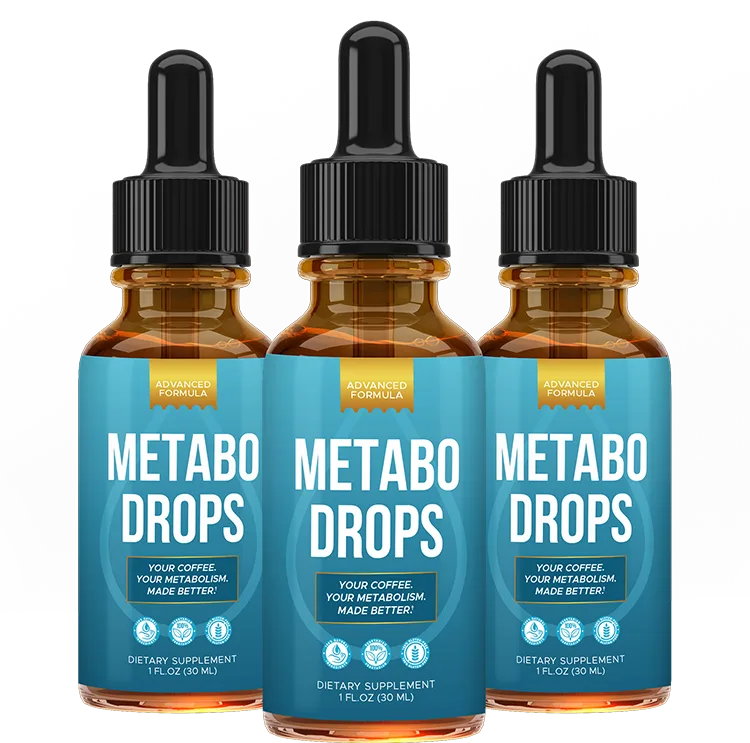
This comprehensive guide will explore the mechanisms by which intermittent fasting influences your body's energy regulation, cellular repair processes, and hormonal balance. We'll uncover the science, separate fact from fiction, and discuss how IF might be a powerful tool for optimizing your metabolism, potentially leading to sustainable weight loss, improved energy levels, and enhanced overall well-being. We'll also touch upon how certain natural metabolic support solutions, like Metabo Drops, can complement such lifestyle changes for those seeking additional synergistic benefits.
Understanding the Basics: What is Metabolism?
Before diving into how intermittent fasting impacts metabolism, it's crucial to understand what metabolism truly is. Far more than just how quickly you burn calories, metabolism is a complex series of biochemical processes that convert food into energy, build and repair tissues, and eliminate waste products. It's the sum total of all chemical reactions in your body that keep you alive and functioning.
Your basal metabolic rate (BMR) represents the number of calories your body burns at rest to maintain vital functions like breathing, circulation, and cell production. Several factors influence your BMR, including age, gender, body composition (muscle burns more calories than fat), genetics, and hormonal balance. A "fast" metabolism generally means your body burns more calories at rest, while a "slow" metabolism burns fewer. This understanding is key to grasping how lifestyle interventions like intermittent fasting can make a difference. For a deeper dive into why some individuals find it easier to gain weight, you can read our article on metabolism and weight gain.
The body's metabolic pathways are incredibly intricate, constantly adapting to energy availability. When you eat, your body is in an "fed state," primarily using glucose for energy and storing excess as glycogen or fat. When you haven't eaten for a while, you enter a "fasted state," where your body begins to tap into stored energy reserves, primarily fat. Intermittent fasting strategically leverages this natural metabolic shift.
💡 Key Takeaway
Metabolism is the complex system by which your body converts food into energy and maintains vital functions. Your basal metabolic rate (BMR) is influenced by various factors, and understanding these processes is fundamental to appreciating how intermittent fasting can support metabolic health.
The Science of Intermittent Fasting: How It Works on a Cellular Level
Intermittent fasting isn't about *what* you eat, but *when* you eat. By cycling between periods of eating and fasting, you initiate several powerful physiological changes that can profoundly affect your metabolism and overall health.
Insulin Sensitivity Improvement
When you eat, your pancreas releases insulin to help cells absorb glucose from the bloodstream. Constant eating, especially of refined carbohydrates, can lead to chronic high insulin levels, causing cells to become resistant to its effects. This is known as insulin resistance, a precursor to type 2 diabetes and a major metabolic disruptor. Intermittent fasting gives your insulin levels a break, allowing them to drop significantly during fasting periods. This improves insulin sensitivity, making your body more efficient at utilizing glucose when you do eat, and more adept at burning fat for energy.
Hormonal Optimization for Fat Burning
Fasting triggers a cascade of beneficial hormonal changes. Levels of human growth hormone (HGH) can increase dramatically, sometimes by several hundred percent. HGH is vital for fat loss and muscle gain. Additionally, levels of norepinephrine (noradrenaline) rise, a hormone that signals fat cells to break down stored fat into free fatty acids, making them available for energy. This hormonal environment is highly conducive to fat burning, helping your body tap into stubborn fat stores.
Autophagy: Cellular Repair and Renewal
Perhaps one of the most profound effects of fasting is the activation of autophagy, a cellular "self-cleaning" process. During autophagy, cells remove damaged components, misfolded proteins, and dysfunctional organelles. This cellular repair mechanism is crucial for maintaining healthy cells, preventing disease, and promoting longevity. By clearing out cellular debris, autophagy essentially "rejuvenates" your cells, improving their efficiency and metabolic function. This process is particularly important for neurological health, supporting neuronal integrity and potentially delaying age-related cognitive decline.
Shift to Ketosis and Fat Adaptation
After a certain period of fasting (typically 12-16 hours, depending on individual metabolism), your body depletes its glycogen stores and switches to burning fat for fuel, producing ketones. This metabolic state, known as ketosis, is highly efficient for energy production and can have significant benefits for brain function, providing a stable energy source. Becoming "fat-adapted" means your body becomes more efficient at burning fat, even outside of deep ketosis, which is a hallmark of improved metabolic flexibility.
Key Benefits of Intermittent Fasting for Metabolic Health
Beyond the cellular mechanisms, the practical benefits of incorporating intermittent fasting into your lifestyle are extensive, particularly for metabolic health and weight management.
Sustainable Weight Loss and Fat Reduction: One of the most common reasons people turn to IF is for weight loss. By naturally reducing your eating window, you often consume fewer calories without consciously restricting them. More importantly, the hormonal changes (increased HGH, norepinephrine, improved insulin sensitivity) shift your body into a fat-burning state, making it easier to shed stubborn fat, especially visceral fat around the organs, which is metabolically detrimental. This isn't just about calorie restriction; it's about optimizing your body's ability to utilize its own fat stores.
Improved Blood Sugar Control: For individuals at risk of or managing type 2 diabetes, IF can be a game-changer. By reducing meal frequency and extending fasting periods, insulin levels drop, allowing the body to become more responsive to insulin. This can lead to lower fasting blood glucose levels and improved HbA1c, a key marker for long-term blood sugar control. However, individuals with diabetes should always consult their physician before starting any fasting regimen.
Reduced Inflammation and Oxidative Stress: Chronic inflammation is a root cause of many modern diseases, from heart disease to neurodegenerative disorders. Studies suggest that intermittent fasting can significantly reduce markers of inflammation and oxidative stress in the body. This is partly due to autophagy, which clears out damaged cells, and partly due to the improved metabolic health, which reduces the production of pro-inflammatory compounds. As a neurology researcher, I find this particularly compelling, as reducing neuroinflammation is crucial for long-term brain health and cognitive function.
Enhanced Brain Health and Cognitive Function: The brain is a high-energy organ, and its metabolic health is paramount. Intermittent fasting has been shown to boost the production of Brain-Derived Neurotrophic Factor (BDNF), a protein that promotes the growth of new neurons and protects existing ones. BDNF is often called "Miracle-Gro for the brain" due to its role in learning, memory, and overall cognitive resilience. Fasting also enhances mitochondrial function in brain cells and can improve resistance to stress and disease, offering neuroprotective benefits that align with optimal neurological well-being.
Increased Energy Levels: While some people initially experience fatigue when starting IF, many report sustained increases in energy once their bodies adapt. This is likely due to more stable blood sugar levels, improved mitochondrial efficiency (cells produce energy more effectively), and the shift to fat burning, which provides a steady, long-lasting fuel source compared to the peaks and crashes associated with carbohydrate-dependent energy.

Popular Intermittent Fasting Methods and How to Choose
There isn't a one-size-fits-all approach to intermittent fasting. Several popular methods exist, each with its own structure and benefits. Understanding them can help you find the best fit for your lifestyle and metabolic goals.
16/8 Method (Leangains Protocol)
This is arguably the most popular and sustainable method. It involves fasting for 16 hours each day and confining your eating to an 8-hour window. For example, if you finish dinner at 8 PM, you wouldn't eat again until 12 PM the next day, effectively skipping breakfast. This method is relatively easy to integrate into daily life and often yields excellent results for weight management and metabolic health.
5:2 Method (The Fast Diet)
With this approach, you eat normally for five days of the week and restrict your calorie intake to 500-600 calories on two non-consecutive days. For instance, you might eat regularly on Monday, Tuesday, Thursday, Friday, and Sunday, and have very low-calorie meals on Wednesday and Saturday. This method provides flexibility but requires careful planning on fast days.
Eat-Stop-Eat (24-Hour Fast)
This method involves a full 24-hour fast, once or twice a week. For example, you might fast from dinner on Monday until dinner on Tuesday. During the fasting period, only water, black coffee, or zero-calorie beverages are allowed. This can be more challenging for beginners but offers significant metabolic benefits once the body adapts.
Alternate-Day Fasting
As the name suggests, this method involves alternating between days of normal eating and days of significant calorie restriction (often 25% of your usual intake) or complete fasting. While effective for weight loss, it can be quite challenging and may not be suitable for everyone due to its intensity. It's often recommended for experienced fasters.
Choosing the right method depends on your personal preferences, lifestyle, and health goals. It's often best to start with the least restrictive method, like 16/8, and gradually adjust as your body adapts. Consistency is more important than perfection.
Potential Challenges and Important Considerations
While intermittent fasting offers numerous benefits, it's not without its challenges and considerations. It's vital to approach IF thoughtfully and listen to your body.
Initial Side Effects: When you first start intermittent fasting, you might experience side effects such as hunger, fatigue, headaches, irritability, and difficulty concentrating. These are often temporary as your body adapts to using fat for fuel instead of glucose. Staying well-hydrated and ensuring your eating window meals are nutrient-dense can help mitigate these effects.
Who Should Avoid IF: Intermittent fasting is not suitable for everyone. Pregnant or breastfeeding women, individuals with a history of eating disorders, those with type 1 diabetes (and type 2 requiring specific medications), people with low blood pressure, or those on certain medications should absolutely consult a healthcare professional before attempting any fasting regimen. Children and adolescents should also avoid IF unless under strict medical supervision. Furthermore, if you are concerned about your overall metabolic health or persistent weight gain, it's always wise to discuss your options with a doctor.
Nutrient Density During Eating Windows: The success of intermittent fasting hinges not just on *when* you eat, but also on *what* you eat during your feeding window. It's not an excuse to consume unhealthy, processed foods. Focus on whole, unprocessed foods rich in protein, healthy fats, fiber, vitamins, and minerals. Prioritize lean proteins, plenty of vegetables, fruits, and healthy fats like avocado and nuts. This ensures you get all the necessary nutrients to support your metabolism and overall health, preventing deficiencies and promoting satiety.
Hydration is Key: Staying adequately hydrated is crucial, especially during fasting periods. Water, black coffee, and plain tea are typically allowed and can help manage hunger and prevent dehydration symptoms. Electrolyte balance can also be important, especially for longer fasts or in hot climates. Consider adding a pinch of Himalayan salt to your water for essential minerals.
Optimizing Your Metabolism Beyond Fasting: A Holistic Approach
While intermittent fasting is a powerful tool, it's most effective when integrated into a broader healthy lifestyle. True metabolic optimization involves a multi-faceted approach.
Prioritize Nutrient-Dense Whole Foods
Your diet forms the foundation of your metabolic health. Focus on lean proteins, healthy fats, and complex carbohydrates from whole grains, fruits, and vegetables. Avoid processed foods, excessive sugars, and refined grains that can spike insulin and contribute to metabolic dysfunction. Protein, in particular, has a high thermic effect, meaning your body burns more calories digesting it.
Regular Exercise, Especially Strength Training
Both cardiovascular exercise and strength training play vital roles. Cardio improves cardiovascular health and burns calories, while strength training builds muscle mass. Since muscle tissue is more metabolically active than fat tissue, increasing your muscle mass naturally boosts your BMR, helping you burn more calories even at rest. Aim for a combination of both for optimal results.
Adequate and Quality Sleep
Sleep deprivation wreaks havoc on your hormones, including those that regulate appetite (ghrelin and leptin) and blood sugar (insulin). Poor sleep can increase cortisol levels, promote insulin resistance, and make you crave unhealthy foods, all of which slow down metabolism and hinder weight loss. Aim for 7-9 hours of quality sleep per night.
Manage Stress Effectively
Chronic stress leads to elevated cortisol, a hormone that can promote fat storage (especially around the abdomen) and increase appetite. Incorporate stress-reduction techniques into your daily routine, such as meditation, yoga, deep breathing exercises, spending time in nature, or engaging in hobbies you enjoy. A calm mind contributes to a calm metabolism.
Stay Hydrated Consistently
Water is essential for every metabolic process in your body. Even mild dehydration can slow down your metabolism. Drinking enough water can also help you feel fuller, reducing overall calorie intake. Make water your primary beverage choice throughout the day, especially during fasting periods.
Consider Metabolic Boosters (e.g., Coffee)
Certain natural compounds found in everyday items can also give your metabolism a gentle nudge. For example, the caffeine in coffee has been shown to temporarily increase metabolic rate and fat oxidation. Green tea, rich in catechins, offers similar benefits. For more on this, check out our article: Does Coffee Really Boost Your Metabolism?
Complementing Your Efforts: The Role of Natural Metabolic Support
While lifestyle changes form the bedrock of metabolic health, some individuals may find additional benefit from natural supplements designed to support metabolic function. These can act as a complementary tool, working in synergy with intermittent fasting and a healthy diet.
Many natural ingredients are recognized for their potential to influence various aspects of metabolism, from enhancing fat burning to improving insulin sensitivity and reducing inflammation. Ingredients like green tea extract, known for its EGCG content, or certain B vitamins essential for energy production, are often sought after. Botanicals such as chromium, cinnamon, and berberine have also been studied for their roles in blood sugar regulation and metabolic balance. Choosing a high-quality, naturally sourced supplement can provide targeted support for specific metabolic pathways.
For those looking for a natural way to support their metabolic journey, especially when combined with practices like intermittent fasting, products like Metabo Drops offer a convenient option. Formulated with carefully selected natural ingredients, Metabo Drops aims to support your body's innate fat-burning capabilities, optimize energy levels, and contribute to overall metabolic balance. It's designed to work alongside your healthy habits, providing that extra edge in your pursuit of a revitalized metabolism. Remember, the goal is always to find holistic solutions that integrate seamlessly into your wellness routine. For more natural remedies, explore natural metabolism relief remedies.

Ready to Experience a Revitalized Metabolism?
Take the next step in your metabolic journey. Metabo Drops is designed to provide comprehensive support for your body’s natural fat-burning processes, energy levels, and overall metabolic health, complementing your intermittent fasting and healthy lifestyle efforts.
- ✓ Supports natural fat burning
- ✓ Enhances energy and vitality
- ✓ Promotes healthy metabolic function
- ✓ Made with 100% natural ingredients
- ✓ Non-GMO and easy to integrate




Hear From Our Satisfied Customers
"I've been doing 16/8 intermittent fasting for months, but Metabo Drops really helped me break through a plateau. My energy is higher, and I feel like my body is finally working with me, not against me. Highly recommend!"
"As someone who struggled with a slow metabolism for years, Metabo Drops combined with mindful eating has been a game changer. I've noticed a significant improvement in my digestion and overall vitality. It's a gentle yet effective boost."
"I was skeptical about supplements, but Metabo Drops delivered. It helps curb those mid-day cravings and keeps me feeling focused during my fasting window. It feels like my metabolism finally got the kickstart it needed."
Frequently Asked Questions
What is intermittent fasting and how does it affect metabolism?
+Intermittent fasting involves alternating periods of eating and fasting, which can significantly influence metabolic processes like insulin sensitivity, fat burning, and cellular repair.
Is intermittent fasting effective for weight loss?
+Yes, many studies suggest IF can be highly effective for weight loss by creating a caloric deficit and enhancing fat oxidation, particularly when combined with a healthy diet.
Are there different types of intermittent fasting, and which is best for metabolism?
+Common types include 16/8, 5:2, and Eat-Stop-Eat. The "best" depends on individual preference and lifestyle, with 16/8 often recommended for beginners due to its sustainability.
Who should avoid intermittent fasting?
+Pregnant or breastfeeding women, individuals with a history of eating disorders, those on certain medications, or people with underlying health conditions (like diabetes) should consult a doctor before trying IF.
How can I support my metabolism while intermittent fasting?
+Focus on nutrient-dense foods during your eating windows, stay hydrated, get adequate sleep, manage stress, and consider natural metabolic support supplements like Metabo Drops.
How does Metabo Drops complement an intermittent fasting regimen?
+Metabo Drops is formulated with natural ingredients designed to support metabolic function, balance hormones, and enhance fat burning, potentially amplifying the positive effects of intermittent fasting on your body.
Related Articles