Ever wondered how some people seem to eat what they want and never gain weight?
The answer often lies in their metabolism, specifically a fascinating biological process called thermogenesis. It's your body's hidden engine, constantly burning calories to generate heat and maintain vital functions, even when you're completely at rest.
Understanding thermogenesis is not just for fitness enthusiasts; it's a fundamental concept for anyone looking to manage their weight, improve energy levels, or simply comprehend how their body works. By tapping into this natural calorie-burning mechanism, you can unlock a powerful tool for more effective weight management and overall metabolic health.
What Exactly is Thermogenesis? Your Body's Internal Furnace
Thermogenesis, derived from Greek words meaning "heat" and "origin," is the metabolic process by which your body generates heat. This heat production is a byproduct of the countless biochemical reactions occurring constantly within your cells to sustain life. Think of it as your body's internal furnace, continuously burning fuel (calories) to keep you warm and power essential functions.
At its core, thermogenesis is a critical component of your total daily energy expenditure (TDEE), which is the total number of calories your body burns in a 24-hour period. While many people focus solely on calories burned during exercise, a significant portion of your TDEE comes from thermogenesis, particularly your resting metabolic rate. Understanding and optimizing this process can be a game-changer for anyone looking to manage their weight more effectively.
The energy expended through thermogenesis isn't just for keeping warm. It's also vital for processes like maintaining organ function, repairing tissues, and even thinking. When your body is actively engaged in these tasks, it's simultaneously generating heat, and thus, burning calories. This continuous energy consumption is why even sedentary individuals burn a substantial amount of calories each day.
For decades, researchers have explored the intricacies of thermogenesis, identifying various pathways and factors that influence its rate. From the food we eat to the temperature of our environment, numerous elements can either ramp up or dampen this internal calorie-burning process. Learning to leverage these factors can empower you to take more control over your metabolic health.
💡 Key Takeaway
Thermogenesis is your body's essential process of heat production, directly linked to calorie burning. It accounts for a significant portion of your daily energy expenditure, making it a critical, often overlooked, factor in weight management and overall metabolic health.
The Three Pillars of Thermogenesis: Where Your Calories Go
To truly appreciate thermogenesis, it's helpful to break down where your body's energy expenditure primarily occurs. There are three main components that contribute to your daily calorie burn, each with its own thermogenic properties.
1. Resting Metabolic Rate (RMR) / Basal Metabolic Rate (BMR)
This is by far the largest component, accounting for approximately 60-75% of your total daily calorie expenditure. Your RMR is the number of calories your body burns at complete rest to maintain vital functions like breathing, circulation, cell production, nutrient processing, and temperature regulation. It's the energy needed just to keep you alive. Factors like age, gender, body size, and especially muscle mass, significantly influence your RMR. Individuals with more muscle tend to have a higher RMR because muscle tissue is more metabolically active than fat tissue.2. Thermic Effect of Food (TEF)
Also known as dietary induced thermogenesis (DIT), the TEF is the energy expended by your body to digest, absorb, transport, metabolize, and store the nutrients from the food you eat. This process requires energy, and thus, burns calories. The TEF typically accounts for about 10% of your total daily energy expenditure, but it varies depending on the macronutrient composition of your meal. Protein has the highest thermic effect (20-30% of its caloric value), followed by carbohydrates (5-10%), and fats (0-3%). This is one reason why high-protein diets are often recommended for weight loss, as they naturally encourage greater calorie burning through digestion.3. Non-Exercise Activity Thermogenesis (NEAT)
NEAT refers to the calories burned through all physical activities that are not formal exercise. This includes everything from fidgeting, standing, walking, typing, gardening, cooking, and even shivering. NEAT can vary dramatically between individuals and can account for anywhere from 15% to 50% of your daily energy expenditure, especially for those with physically demanding jobs or very active lifestyles. Even small, conscious efforts to increase your daily movement can significantly contribute to your total calorie burn through NEAT.While exercise activity thermogenesis (EAT) also contributes to overall calorie expenditure, it's distinct from the "at rest" and "non-exercise" aspects of thermogenesis we're focusing on here. By understanding these three pillars, we can begin to identify practical ways to optimize our body's natural calorie-burning capabilities.
💡 Key Takeaway
Your body burns calories through three main thermogenic processes: Resting Metabolic Rate (RMR) for basic life functions, Thermic Effect of Food (TEF) for digestion, and Non-Exercise Activity Thermogenesis (NEAT) for everyday movements. Optimizing these areas is key to boosting your overall calorie burn.
Factors That Influence Your Thermogenic Rate
Your thermogenic rate isn't fixed; it's a dynamic process influenced by a multitude of internal and external factors. Understanding these can help you identify areas where you can potentially boost your body's natural calorie-burning capacity.
Age and Gender
As we age, our metabolic rate naturally tends to slow down, largely due to a decrease in muscle mass and changes in hormonal profiles. Men generally have a higher RMR than women because they typically have more muscle mass and larger body sizes. These are factors we can't change, but awareness helps manage expectations.
Body Composition
This is one of the most significant modifiable factors. Muscle tissue is far more metabolically active than fat tissue, meaning it burns more calories at rest. The more lean muscle mass you have, the higher your RMR will be. This highlights the importance of strength training for long-term metabolic health.
Diet and Nutrition
The foods you eat directly impact your TEF. A diet rich in protein can significantly increase the calories burned during digestion. Certain micronutrients, like B vitamins, also play crucial roles as cofactors in metabolic processes, indirectly supporting thermogenesis. Adequate hydration is also essential for optimal metabolic function.
Hormonal Balance
Hormones like thyroid hormones (T3, T4) are primary regulators of your metabolic rate and thermogenesis. Imbalances, such as hypothyroidism, can significantly slow down metabolism. Other hormones like insulin, leptin, and ghrelin also influence energy expenditure and appetite regulation. Even stress hormones like cortisol can impact metabolic efficiency, as explored in our article on how stress affects your metabolism and causes belly fat.
Sleep Quality and Duration
Chronic sleep deprivation can disrupt hormone levels, particularly those that regulate appetite (ghrelin and leptin) and stress (cortisol). This can lead to decreased metabolic rate and increased fat storage. Prioritizing quality sleep is a simple yet powerful way to support your thermogenic processes, as detailed in our guide on how sleep deprivation kills your metabolism and what to do.
Environmental Temperature
When exposed to cold temperatures, your body naturally increases thermogenesis to maintain its core temperature. This can involve shivering (a form of NEAT) and non-shivering thermogenesis, often involving the activation of brown adipose tissue (BAT), a special type of fat that burns calories to produce heat.
Strategies to Naturally Boost Your Thermogenesis
Now that we understand what thermogenesis is and what influences it, let's explore practical, evidence-based strategies you can implement to naturally enhance your body's calorie-burning furnace.
1. Prioritize Protein Intake
As mentioned, protein has the highest thermic effect of all macronutrients. Incorporating ample lean protein sources into every meal can significantly increase the calories your body burns during digestion. Aim for sources like chicken breast, fish, lean beef, eggs, dairy, legumes, and plant-based protein powders. This strategy not only boosts TEF but also helps preserve and build muscle mass, which further elevates your RMR.2. Embrace Strength Training
Building muscle is perhaps the most powerful long-term strategy for increasing your resting thermogenesis. Muscle tissue is metabolically active, burning more calories at rest compared to fat. Engaging in 2-3 strength training sessions per week can lead to increased lean muscle mass, which translates to a higher RMR and more calories burned throughout the day, even when you're not exercising.3. Incorporate High-Intensity Interval Training (HIIT)
While formal exercise is distinct from "at rest" thermogenesis, HIIT deserves a mention. It not only burns a significant amount of calories during the workout but also creates an "afterburn effect" known as Excess Post-exercise Oxygen Consumption (EPOC). During EPOC, your body continues to burn calories at an elevated rate for hours after your workout as it recovers and returns to its pre-exercise state. This contributes to overall thermogenic activity.4. Stay Hydrated with Cold Water
Drinking enough water is crucial for all metabolic processes. Furthermore, studies suggest that drinking cold water can induce a small but measurable thermogenic effect. Your body expends energy to warm the cold water to body temperature, contributing to a slight increase in calorie burn. Aim for at least 8 glasses of water daily.5. Spice Up Your Diet
Certain natural compounds found in foods can have thermogenic properties. Capsaicin, the compound that gives chili peppers their heat, has been shown to temporarily increase metabolic rate and promote fat oxidation. Similarly, ginger and turmeric have mild thermogenic effects. Incorporating these spices into your meals can be a delicious way to give your metabolism a gentle nudge.6. Drink Green Tea and Coffee
Green tea contains catechins (especially EGCG) and caffeine, both of which are known to enhance thermogenesis and fat oxidation. Caffeine, found in coffee and green tea, is a well-known stimulant that can temporarily boost metabolic rate. While not a magic bullet, regular consumption in moderation can contribute to your overall thermogenic efforts.7. Optimize Sleep and Manage Stress
As highlighted earlier, poor sleep and chronic stress can negatively impact your metabolism by disrupting hormone balance. Prioritizing 7-9 hours of quality sleep per night and implementing stress-reduction techniques (like meditation, yoga, or deep breathing) can help maintain hormonal equilibrium, supporting a healthy thermogenic rate. These lifestyle factors are often underestimated in their impact on metabolic health, especially as we age. For more tailored strategies, consider exploring how to speed up metabolism naturally after 40.8. Consider Environmental Cold Exposure
While perhaps not for everyone, brief exposure to cold temperatures (e.g., cold showers, outdoor walks in cool weather) can activate brown adipose tissue (BAT). BAT is unique because it burns calories to generate heat, rather than storing energy as white fat does. Regular, controlled cold exposure can potentially increase the amount and activity of BAT, thereby boosting non-shivering thermogenesis.💡 Key Takeaway
Boosting thermogenesis involves a holistic approach: increasing protein intake, engaging in strength training and HIIT, staying hydrated, incorporating thermogenic foods and beverages, and prioritizing sleep and stress management. These strategies work synergistically to enhance your body's natural calorie-burning capabilities.
The Role of Natural Supplements in Supporting Thermogenesis
While a balanced diet, regular exercise, and a healthy lifestyle form the bedrock of metabolic health, certain natural supplements can offer additional support for thermogenesis. These are not replacements for fundamental healthy habits but can act as synergistic tools to enhance your body's natural calorie-burning processes.
Targeted Nutrient Support
Some supplements provide concentrated doses of compounds found in thermogenic foods, making it easier to consistently incorporate them into your routine. This can be beneficial for individuals who struggle to get enough of these specific nutrients through diet alone.
Metabolic Optimization
Certain ingredients are known to directly or indirectly influence metabolic pathways, potentially increasing energy expenditure and fat oxidation. They can help optimize cellular function, making your body more efficient at converting food into energy and heat.
Research-Backed Ingredients
Reputable supplements often contain ingredients that have been studied for their effects on metabolism, energy levels, and thermogenesis. It's important to look for products that are transparent about their ingredients and dosages.
Holistic Approach
When integrated into a comprehensive health plan that includes proper nutrition and exercise, natural supplements can provide an extra layer of support for your thermogenic goals, helping you achieve results more effectively and sustainably.
Metabo Drops: Supporting Your Thermogenic Potential with Key Ingredients
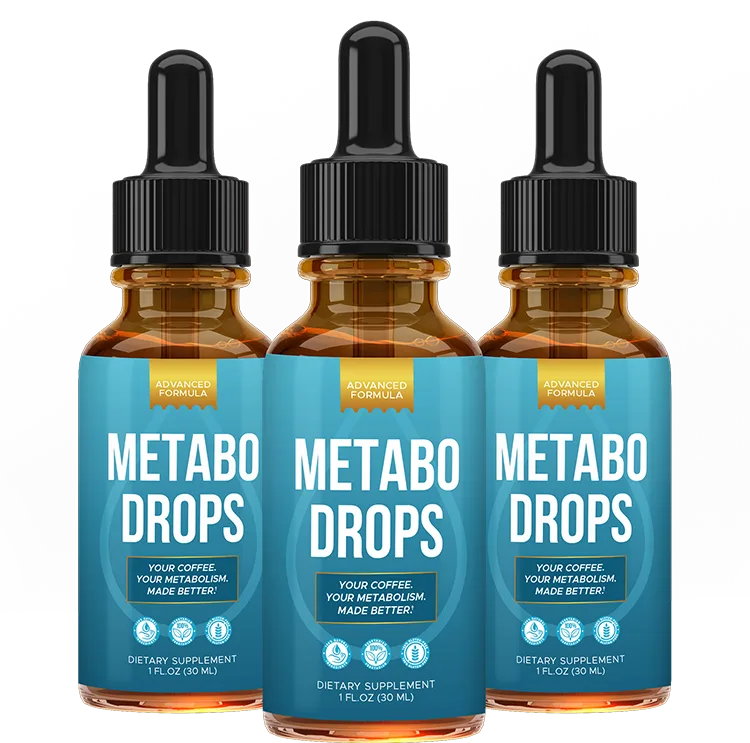
Metabo Drops are formulated with a blend of natural ingredients carefully selected for their potential to support your body's metabolic function and enhance thermogenesis. Here's a look at some of the key components and how they contribute to your calorie-burning efforts:
Green Tea Extract (EGCG)
Role: Rich in antioxidants called catechins, particularly epigallocatechin gallate (EGCG). EGCG has been extensively studied for its ability to increase thermogenesis and fat oxidation, independent of caffeine. It helps promote the breakdown of fat and increases the amount of energy the body uses.
Typical Dose: 200-500mg dailyL-Carnitine
Role: A naturally occurring amino acid derivative that plays a crucial role in the transport of fatty acids into the mitochondria of cells. This is where fats are burned for energy. By facilitating this process, L-Carnitine helps enhance fat metabolism and can support energy production, indirectly boosting thermogenesis.
Typical Dose: 500-2000mg dailyChromium Picolinate
Role: An essential trace mineral that plays a role in carbohydrate and lipid metabolism. It's known to enhance the action of insulin, which is critical for regulating blood sugar levels and energy utilization. Stable blood sugar can help prevent energy dips that might slow metabolic rate and support consistent energy burning.
Typical Dose: 200-1000mcg dailyAfrican Mango Extract (Irvingia Gabonensis)
Role: Research suggests African Mango extract may help support weight management by influencing leptin, a hormone that regulates appetite and metabolism. By potentially improving leptin sensitivity, it may help the body better regulate energy expenditure and fat storage, contributing to metabolic efficiency.
Typical Dose: 150-300mg dailyGrape Seed Extract
Role: A potent antioxidant, grape seed extract may help protect cells from oxidative stress. Some studies indicate it can have a positive impact on metabolic health and potentially assist in fat breakdown, contributing to overall metabolic support and efficiency.
Typical Dose: 100-300mg dailyMaca Root
Role: An adaptogenic herb traditionally used to enhance energy, stamina, and mood. While not a direct thermogenic, by supporting overall vitality and hormonal balance, Maca Root can indirectly contribute to improved energy levels and metabolic function, making it easier to maintain an active lifestyle.
Typical Dose: 500-1500mg dailyMetabo Drops aim to provide a comprehensive approach to metabolic support, leveraging these natural ingredients to help optimize your body's inherent ability to burn calories and manage weight when combined with a healthy diet and active lifestyle. As with any supplement, consistency is key, and individual results may vary.
Ready to Ignite Your Inner Calorie-Burning Furnace?
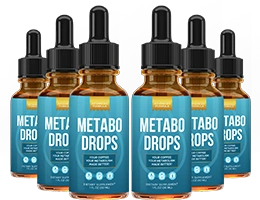
Unlock your body's full thermogenic potential with Metabo Drops. Formulated with a powerful blend of natural ingredients, Metabo Drops are designed to support your metabolism, enhance fat burning, and help you achieve your weight management goals more effectively.
- ✓ Supports natural thermogenesis and calorie burning
- ✓ Boosts metabolic rate for sustained energy
- ✓ Aids in healthy fat oxidation
- ✓ Made with 100% natural, scientifically-backed ingredients
- ✓ Easy-to-use liquid drops for maximum absorption



Hear From Our Happy Customers
"I've struggled with a slow metabolism for years, especially after 40. Metabo Drops, combined with my diet changes, really made a difference. I feel more energetic, and my clothes fit better. It's been a fantastic boost!"
"Understanding thermogenesis from this article was eye-opening. I decided to try Metabo Drops as part of my new routine. The results are subtle but consistent; I'm feeling lighter and have more sustained energy throughout the day. Highly recommend for anyone looking to support their body's natural processes."
"These drops are incredibly easy to take, and I appreciate the natural ingredients. I've noticed an improvement in my overall metabolic health and less sluggishness. It's great to know I'm supporting my body's calorie-burning abilities naturally."
Frequently Asked Questions
What exactly is thermogenesis and why is it important?
+Thermogenesis is your body's natural process of producing heat, primarily through metabolic reactions. This process burns calories, contributing significantly to your total daily energy expenditure. It's crucial for maintaining body temperature and plays a vital role in weight management, as a higher thermogenic rate means more calories are burned, even at rest.
How does thermogenesis contribute to weight loss and fat burning?
+By increasing your body's thermogenic activity, you enhance your overall metabolic rate. This means your body expends more energy (calories) to generate heat, digest food, and perform basic functions. When calorie expenditure exceeds intake, your body starts to tap into stored fat for energy, leading to weight loss and a reduction in body fat.
Can specific foods and dietary habits really boost thermogenesis?
+Absolutely. Certain foods have a higher thermic effect, meaning your body burns more calories just to digest them. Protein, for instance, has the highest thermic effect. Spicy foods containing capsaicin, green tea with catechins, and caffeine are also known to temporarily increase thermogenesis, helping your body burn more calories.
What role does exercise play in enhancing thermogenesis and metabolism?
+Exercise, particularly strength training and high-intensity interval training (HIIT), significantly boosts thermogenesis. Strength training builds muscle mass, which is more metabolically active than fat, increasing your resting metabolic rate. HIIT causes an 'afterburn effect' (EPOC), where your body continues to burn calories at an elevated rate long after your workout ends, due to increased oxygen consumption and recovery processes.
How do Metabo Drops support thermogenesis?
+Metabo Drops are formulated with a blend of natural ingredients known for their potential to support metabolic function and thermogenesis. Ingredients like green tea extract, L-carnitine, and chromium are included to help stimulate calorie burning, support fat metabolism, and enhance the body's natural ability to generate heat and energy, thereby contributing to weight management efforts when combined with a healthy lifestyle.
Are there any potential side effects to boosting thermogenesis?
+While boosting thermogenesis naturally through diet and exercise is generally safe and beneficial, certain thermogenic supplements can have side effects like increased heart rate, jitters, or digestive upset, especially if they contain high amounts of stimulants. It's always crucial to consult with a healthcare professional before starting any new supplement regimen, especially if you have underlying health conditions or are taking medications. Prioritizing a balanced diet, regular exercise, and adequate sleep is the safest and most sustainable approach to enhancing your body's natural calorie-burning abilities.
Related Articles