Can a simple kitchen staple truly supercharge your body's calorie-burning engine?
Apple cider vinegar (ACV) has been lauded for centuries as a health elixir, and in recent years, its reputation as a metabolism booster and weight-loss aid has skyrocketed. From social media trends to wellness blogs, claims abound that a daily dose of ACV can unlock your body's fat-burning potential and accelerate your journey to a healthier weight.
But amidst the fervent endorsements, it's crucial to ask: what does the science actually say? As a neurology researcher with over a decade of experience, I've seen countless health trends come and go. My goal today is to cut through the noise and provide you with an evidence-based look at apple cider vinegar's true impact on your metabolism, separating the compelling facts from the pervasive fiction.
Understanding Metabolism: More Than Just Calorie Burning
Before we dive into ACV, let's clarify what metabolism truly is. It's often oversimplified as just how fast your body burns calories, but it's far more complex.
Your metabolism is the intricate network of chemical processes that occur continuously inside your body to keep you alive and functioning. These processes include converting food and drinks into energy, building and repairing cells, and eliminating waste products. It's a fundamental biological function that dictates everything from your body temperature to your breathing and the repair of your cells.
When people talk about a "fast" metabolism, they're usually referring to their Basal Metabolic Rate (BMR), which is the number of calories your body burns at rest to maintain basic physiological functions. Factors like age, gender, muscle mass, genetics, and even certain medical conditions can significantly influence your BMR. A higher BMR means your body burns more calories even when you're not actively exercising, which can be beneficial for weight management. For a deeper dive into how your body burns calories at rest, explore our article on thermogenesis explained.
Beyond BMR, metabolism also encompasses the Thermic Effect of Food (TEF) – the energy expended during the digestion, absorption, and storage of food – and the energy burned during physical activity. Optimizing all these aspects is key to a truly healthy and efficient metabolic system.
💡 Key Takeaway
Metabolism is a complex set of biochemical processes, not just calorie burning. It includes BMR, TEF, and activity expenditure, all influenced by various personal factors.
Apple Cider Vinegar: The Claims vs. The Evidence
Now, let's address the claims surrounding apple cider vinegar and its purported metabolic benefits.
Claim 1: ACV Directly Boosts Fat Burning
The Claim: Many believe ACV contains compounds that directly accelerate the body's ability to burn fat, thereby increasing metabolic rate. Some suggest it "flips a switch" to make your body prioritize fat for fuel.
The Evidence: While ACV contains acetic acid, which has been studied in animal models for its potential role in fat metabolism, human studies have not conclusively demonstrated a direct, significant increase in fat burning or metabolic rate. For instance, some research suggests acetic acid might activate enzymes involved in fat oxidation and reduce fat accumulation in the liver. However, these effects are often observed with higher concentrations than typically consumed or under specific laboratory conditions. The idea of ACV being a potent "fat burner" in humans, leading to substantial metabolic boosts, is largely fiction based on current evidence.
Claim 2: ACV Reduces Appetite and Increases Satiety
The Claim: Drinking ACV before meals can make you feel fuller, leading to reduced calorie intake and subsequent weight loss.
The Evidence: This claim has more scientific backing. Several studies have shown that consuming ACV, especially with high-carb meals, can increase feelings of satiety. One theory is that the acetic acid slows down stomach emptying, keeping food in your stomach longer and thus prolonging fullness. This delayed gastric emptying can indeed lead to consuming fewer calories throughout the day. However, some studies also note that the feeling of fullness might be partly due to the unpleasant taste or mild nausea ACV can induce in some individuals. So, while it can aid in appetite control, it's an indirect effect, not a direct metabolic boost. This claim leans towards fact, with caveats.
Claim 3: ACV Improves Blood Sugar Regulation
The Claim: ACV helps stabilize blood sugar levels, which is crucial for metabolic health and preventing fat storage.
The Evidence: This is perhaps the strongest and most consistently supported claim. Numerous studies have demonstrated that ACV can significantly improve insulin sensitivity and reduce post-meal blood sugar spikes, particularly in individuals with insulin resistance or type 2 diabetes. Acetic acid is thought to interfere with the digestion of starches, leading to a slower release of glucose into the bloodstream. Stable blood sugar levels are vital for a healthy metabolism because erratic spikes and crashes can lead to increased fat storage and metabolic dysfunction. Therefore, ACV's role in blood sugar regulation is a significant fact, indirectly supporting metabolic health.
Claim 4: ACV Detoxifies the Body and Cleanses the Liver
The Claim: ACV is a powerful detoxifier, helping your liver and kidneys cleanse your body of toxins, which in turn optimizes metabolism.
The Evidence: This is largely fiction. Your body has highly efficient organs – your liver and kidneys – that are perfectly capable of detoxifying your system on their own. There is no scientific evidence to suggest that ACV or any other food or drink can "detox" your body in a way that significantly enhances metabolic function beyond what your internal organs already do naturally. While a healthy diet supports these organs, ACV doesn't possess unique "detox" properties.
💡 Key Takeaway
ACV's primary scientifically supported benefits for metabolism are indirect: improving satiety and, more significantly, regulating blood sugar. Claims of direct fat burning or detoxification are largely unsupported by robust human evidence.
Beyond ACV: Proven Strategies for a Robust Metabolism
While ACV may play a supportive role in a healthy lifestyle, it's not the sole answer for optimizing metabolism. True metabolic health comes from a holistic approach. Here are proven strategies:
Prioritize Protein Intake
Protein has a higher Thermic Effect of Food (TEF) compared to fats and carbohydrates, meaning your body burns more calories digesting it. Adequate protein also helps preserve muscle mass, which is a key determinant of your Basal Metabolic Rate (BMR). Aim for lean protein sources like chicken, fish, eggs, and legumes with every meal.
Embrace Strength Training
Muscle tissue burns more calories at rest than fat tissue. Incorporating strength training into your routine helps build and maintain muscle mass, thereby increasing your BMR. Even after your workout, your body continues to burn extra calories in a process known as EPOC (Excess Post-exercise Oxygen Consumption).
Get Enough Quality Sleep
Sleep deprivation can wreak havoc on your metabolism. It disrupts hormones like ghrelin (hunger hormone) and leptin (satiety hormone), leading to increased appetite and cravings for unhealthy foods. Poor sleep also negatively impacts insulin sensitivity, making your body less efficient at processing glucose.
Stay Hydrated
Water is essential for nearly all metabolic processes. Dehydration, even mild, can slow down your metabolism. Drinking enough water can also temporarily increase your metabolic rate and promote satiety. To learn more about this, read our article: Does Drinking Water Boost Metabolism? The Truth Revealed.
Manage Stress Effectively
Chronic stress triggers the release of cortisol, a hormone that can promote fat storage, especially around the abdomen, and disrupt blood sugar regulation. Incorporating stress-reducing activities like meditation, yoga, or spending time in nature can positively impact your metabolic health.
Consider Targeted Nutritional Support
Sometimes, even with the best diet and exercise, your body might benefit from additional nutritional support. Certain natural ingredients are known to support metabolic pathways, energy production, and healthy blood sugar. This is where a carefully formulated supplement can play a role in complementing your efforts.
The Role of Lifestyle in Metabolic Health
Your metabolism isn't just a static number; it's a dynamic system heavily influenced by your daily choices. Understanding these connections empowers you to make impactful changes.
Balanced Nutrition
Focus on whole, unprocessed foods. A diet rich in fiber, lean proteins, and healthy fats provides sustained energy and supports gut health, which is increasingly linked to metabolic function. Avoid excessive sugar and refined carbohydrates that can lead to insulin spikes.
Regular Physical Activity
Beyond structured exercise, incorporating more movement into your day (NEAT – Non-Exercise Activity Thermogenesis) can significantly increase your daily calorie expenditure. Take the stairs, walk during calls, or stand more often. Every bit of movement contributes to an active metabolism.
Adequate Rest
Prioritizing 7-9 hours of quality sleep each night is non-negotiable for metabolic health. It allows your body to regulate hormones, repair tissues, and optimize energy production. Chronic sleep deprivation sabotages even the best efforts towards a healthy metabolism.
Hydration and Electrolytes
Proper hydration is fundamental. Water is the medium for all biochemical reactions, including those of metabolism. Maintaining electrolyte balance also supports cellular function and energy pathways. Don't underestimate the power of simply drinking enough water throughout the day.
Mind-Body Connection
The mind and body are intricately linked. Chronic stress and psychological factors can directly impact metabolic hormones and processes. Practicing mindfulness, meditation, or engaging in hobbies can reduce stress and foster a healthier metabolic environment.
Targeted Supplementation
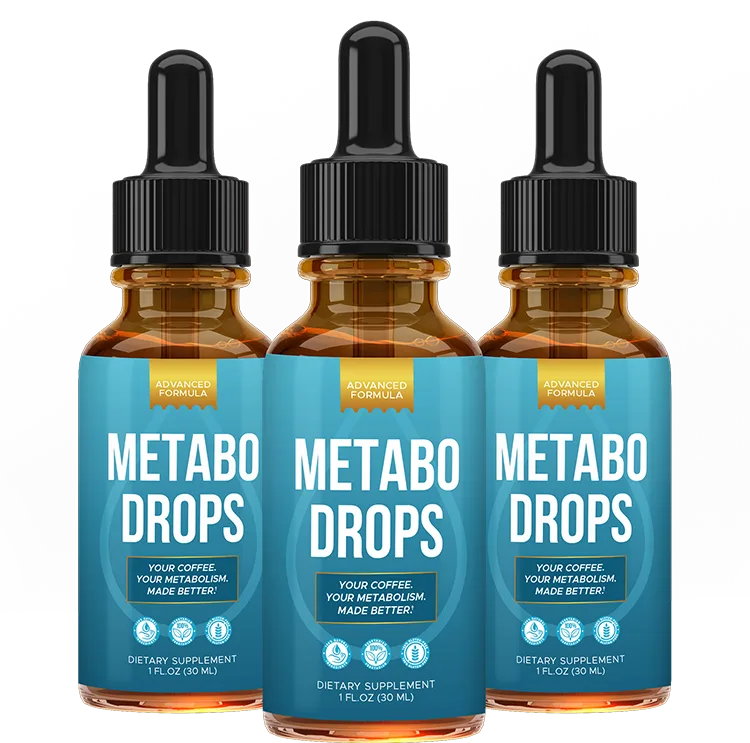
While not a replacement for lifestyle, certain natural compounds can offer targeted support. Ingredients like those found in Metabo Drops, which focus on metabolic health and energy pathways, can be a valuable addition to an already healthy regimen. Consider a liquid supplement for weight loss for better absorption.
Supporting Your Metabolism with Nature's Best: The Metabo Drops Approach
While apple cider vinegar has its place, a truly comprehensive approach to metabolic support often involves a blend of scientifically-backed natural ingredients working synergistically. Metabo Drops is formulated to offer this kind of multi-faceted support.
Green Tea Extract (EGCG)
Role: Rich in antioxidants, particularly EGCG, which is known to enhance thermogenesis (your body's heat production, burning calories) and fat oxidation. It can also support healthy energy levels.
300-500mg dailyL-Carnitine
Role: A crucial amino acid derivative that plays a vital role in transporting fatty acids into the mitochondria, where they are burned for energy. This can support the body's ability to utilize fat for fuel.
500-1500mg dailyChromium Picolinate
Role: An essential trace mineral that enhances the action of insulin, helping to regulate blood sugar levels. Stable blood sugar is critical for preventing fat storage and maintaining consistent energy.
200-400mcg dailyAfrican Mango Extract (Irvingia Gabonensis)
Role: Studied for its potential to support weight management by influencing leptin (satiety hormone) and adiponectin (fat-burning hormone) levels, and aiding in healthy cholesterol and blood sugar levels.
150-300mg dailyCapsicum Annum (Cayenne Pepper)
Role: Contains capsaicin, which can increase thermogenesis and fat oxidation, contributing to a slight increase in calorie burning. It may also help reduce appetite and support healthy digestion.
40-100mg daily
Ready to Support Your Metabolism Naturally?
If you're looking for a comprehensive, natural solution to complement your healthy lifestyle and support your metabolic health, Metabo Drops offers a carefully crafted blend of ingredients designed to work synergistically.
- ✓ Supports healthy metabolism and energy levels
- ✓ Formulated with clinically studied natural ingredients
- ✓ Manufactured in an FDA-registered, GMP-certified facility
- ✓ Easy-to-use liquid drops for optimal absorption
- ✓ Backed by a 60-day 100% money-back guarantee




What Our Customers Are Saying
"I've tried so many things to get my metabolism going, and Metabo Drops has been a game-changer. I feel more energetic and have seen positive changes. It's a great addition to my healthy routine."
"I was skeptical at first, but after a few weeks of consistent use, I noticed a real difference in my energy levels and how my body felt. It's easy to take, and I appreciate the natural ingredients."
"Metabo Drops has helped me feel more balanced. My cravings are more manageable, and I feel like my body is finally working with me, not against me. Highly recommend for anyone focusing on metabolic health."
Frequently Asked Questions
Does apple cider vinegar really boost metabolism?
+While apple cider vinegar (ACV) offers several health benefits, direct scientific evidence proving it significantly 'boosts' metabolism in a way that leads to substantial weight loss is largely unproven. Its effects are more indirect, focusing on aspects like blood sugar control and satiety.
Can ACV help with weight loss?
+ACV may indirectly support weight loss by promoting feelings of fullness, which can lead to reduced calorie intake. It also shows promise in improving insulin sensitivity and blood sugar regulation, which are crucial for metabolic health and can influence fat storage. However, it's not a magic bullet and should be part of a broader healthy lifestyle.
What are the best ways to naturally boost metabolism?
+Effective ways to naturally boost your metabolism include regular strength training and aerobic exercise, consuming adequate protein, getting sufficient sleep, staying well-hydrated, managing stress, and eating a balanced diet rich in whole foods. Some natural supplements, like Metabo Drops, also contain ingredients studied for their metabolic support.
Is Metabo Drops a metabolism booster?
+Metabo Drops is formulated with a blend of natural ingredients that have been individually studied for their potential roles in supporting metabolic function, energy production, and healthy weight management. While not a direct 'booster' in the same way exercise is, its ingredients are designed to complement a healthy lifestyle by supporting various metabolic pathways.
Are there any side effects of drinking apple cider vinegar?
+Yes, regular consumption of undiluted apple cider vinegar can lead to side effects such as erosion of tooth enamel, irritation of the esophagus, digestive upset (nausea, heartburn), and potential interactions with certain medications (e.g., diuretics, insulin). It should always be diluted before consumption.
How long does it take to see metabolic improvements?
+The timeline for seeing metabolic improvements varies significantly based on individual factors, consistency of effort, and the specific changes implemented. While some benefits like improved blood sugar control might be noticed relatively quickly (weeks), significant changes in body composition or energy levels typically require consistent healthy habits over several months.
Related Articles