Is Your Gut the Missing Piece in Your Metabolism Puzzle?
For decades, the conversation around metabolism and weight management has primarily focused on calories in versus calories out, genetics, and exercise. While these factors are undeniably important, modern science is now revealing a profound, often overlooked player in this intricate equation: your gut microbiome. This vast ecosystem of bacteria, viruses, and fungi living within your digestive tract exerts a powerful influence over virtually every aspect of your health, including how efficiently your body burns calories, stores fat, and regulates energy.
Understanding the delicate balance of your gut flora is not just about avoiding digestive discomfort; it's about optimizing your body's fundamental processes. An imbalanced gut can silently sabotage your efforts to maintain a healthy weight and robust energy levels, making it harder to achieve your wellness goals. Unlocking the secrets of this internal world is key to achieving true metabolic efficiency and sustained vitality.
The Intricate World of Your Gut Microbiome
Your gut is home to trillions of microorganisms, collectively known as the gut microbiome. Far from being passive inhabitants, these microbes are active participants in your body's daily operations, behaving almost like an additional organ. They break down food compounds that your own digestive enzymes cannot, synthesize essential vitamins, and train your immune system. The diversity and balance of these microbial communities are paramount, with a rich and varied microbiome generally correlating with better health outcomes.
This complex ecosystem is constantly interacting with your body, sending signals, producing compounds, and influencing systemic processes. When we talk about gut health, we're not just referring to the absence of digestive issues; we're talking about the optimal functioning of this internal world, which in turn dictates much about your overall vitality and resilience. Understanding its fundamental role is the first step towards harnessing its power for metabolic benefit.
The composition of your gut microbiome is unique, shaped by factors ranging from your birth mode and early diet to your current lifestyle and dietary habits. It’s a dynamic environment, constantly shifting in response to what you eat, your stress levels, and even your exposure to environmental factors. Maintaining a healthy, balanced microbiome is thus an ongoing process, requiring conscious choices and consistent effort. A diverse gut community, rich in beneficial bacteria, is the foundation for robust health.
💡 Key Takeaway
The gut microbiome is a dynamic ecosystem of trillions of microbes that acts like an additional organ, profoundly influencing digestion, nutrient absorption, immunity, and metabolic health. Its balance and diversity are crucial for overall well-being.
How Your Microbiome Directly Influences Your Metabolism
The connection between your gut microbiome and metabolism is multifaceted and profound, extending far beyond simple digestion. Research indicates that the types of bacteria residing in your gut can significantly impact how your body processes food, stores fat, and utilizes energy. This intricate interplay is a key determinant of your metabolic health and can even influence your susceptibility to conditions like obesity and type 2 diabetes.
One of the primary ways the microbiome affects metabolism is through its ability to **extract energy from food**. Certain bacterial species are more efficient at breaking down complex carbohydrates and fibers that human enzymes cannot digest. This fermentation process yields short-chain fatty acids (SCFAs), such as butyrate, acetate, and propionate. While these SCFAs are vital for gut health and can regulate appetite and inflammation, an overabundance of certain SCFA-producing bacteria can lead to increased calorie extraction, potentially contributing to weight gain.
Beyond calorie extraction, the microbiome plays a critical role in **bile acid metabolism**. Bile acids, produced by the liver, are essential for fat digestion and absorption. Gut bacteria modify these bile acids, influencing their signaling properties in the body. These modified bile acids can then affect glucose regulation, energy expenditure, and lipid metabolism, acting as potent signaling molecules that communicate with various metabolic organs.
Furthermore, an imbalanced gut, known as **dysbiosis**, can trigger chronic low-grade inflammation. This systemic inflammation is a known precursor to insulin resistance, where cells become less responsive to insulin, leading to elevated blood sugar levels and increased fat storage. The gut barrier, when compromised by dysbiosis, can allow bacterial components to leak into the bloodstream, initiating an inflammatory response that directly impairs metabolic function. This inflammatory cascade can make it incredibly difficult for the body to maintain a healthy weight, even with consistent effort.
The gut also serves as a communication hub with the brain, influencing **appetite and satiety**. Gut microbes produce neurotransmitters and hormones that can signal to the brain, affecting cravings, mood, and overall eating behavior. For instance, certain bacteria can influence the production of serotonin, a neurotransmitter that impacts mood and appetite. An imbalanced microbiome can disrupt these delicate signals, potentially leading to overeating or unhealthy food choices.
Given these complex interactions, it becomes clear that nurturing a healthy, balanced gut microbiome is not merely about digestive comfort, but a fundamental strategy for optimizing your metabolic health. It's about empowering your body to process food more efficiently, regulate blood sugar effectively, and manage weight sustainably. Neglecting this vital internal ecosystem can undermine even the most diligent efforts in diet and exercise.
The Pillars of a Metabolism-Boosting Gut
Achieving a healthy gut that actively supports your metabolism involves a multi-pronged approach. It's not about quick fixes, but rather consistent lifestyle and dietary choices that foster a thriving microbial community. By focusing on these key areas, you can empower your body to burn fat more efficiently, manage energy levels, and enhance overall well-being.
Fiber-Rich Diet
Dietary fiber, particularly soluble fiber, acts as a prebiotic, feeding the beneficial bacteria in your gut. These bacteria ferment fiber into beneficial short-chain fatty acids (SCFAs) that improve insulin sensitivity, reduce inflammation, and support gut barrier integrity. Incorporate plenty of fruits, vegetables, whole grains, and legumes into your daily meals.
Probiotic & Fermented Foods
Introducing live beneficial bacteria through probiotic-rich foods like yogurt, kefir, sauerkraut, kimchi, and kombucha can help diversify your microbiome. These probiotics can directly contribute to a healthier gut flora, potentially displacing harmful bacteria and improving digestive and metabolic functions. Consistency is key for their sustained impact.
Hydration and Water Intake
Adequate hydration is crucial for the overall health of your digestive system, including the microbiome. Water helps maintain the mucosal lining of the gut, aids in nutrient absorption, and facilitates the movement of waste. While often underestimated, the role of water in metabolic processes is significant. You can learn more about this by reading our article on does drinking water boost metabolism: the truth revealed.
Stress Management
The gut-brain axis means that chronic stress can profoundly impact gut health, leading to dysbiosis and increased gut permeability. Practices like meditation, yoga, deep breathing exercises, and spending time in nature can help mitigate stress, thereby fostering a healthier gut environment and indirectly supporting metabolic balance.
Quality Sleep
Lack of sufficient, restorative sleep can disrupt your circadian rhythm, which in turn affects your gut microbiome's rhythm and diversity. Poor sleep can also alter hormones that regulate appetite and metabolism, leading to increased cravings and reduced metabolic rate. Aim for 7-9 hours of quality sleep per night to support both gut and metabolic health.
Regular Physical Activity
Exercise has been shown to increase the diversity of beneficial gut bacteria and improve gut barrier function. It also directly boosts metabolism, improves insulin sensitivity, and reduces inflammation. Even moderate activity, such as a daily brisk walk, can have significant positive effects on both your gut and metabolic well-being.
The Role of Inflammation and Gut Permeability
One of the most critical pathways through which gut health impacts metabolism is inflammation. When the gut microbiome is out of balance (dysbiosis) or the gut lining becomes compromised (often referred to as "leaky gut" or increased intestinal permeability), it can trigger a cascade of inflammatory responses throughout the body. This chronic low-grade inflammation is a significant driver of metabolic dysfunction.
A healthy gut lining acts as a tight barrier, carefully controlling what enters the bloodstream from the digestive tract. However, factors like poor diet, stress, certain medications, and an overgrowth of harmful bacteria can weaken this barrier. When the gut becomes permeable, undigested food particles, toxins, and bacterial components (like lipopolysaccharides or LPS) can "leak" into the bloodstream. The immune system identifies these as foreign invaders, initiating an inflammatory response.
This systemic inflammation has a direct negative impact on metabolic tissues. It can lead to **insulin resistance**, where cells become less responsive to insulin, requiring the pancreas to produce more of the hormone to keep blood sugar levels stable. Over time, this can exhaust the pancreas and increase the risk of type 2 diabetes. Furthermore, inflammation can disrupt fat metabolism, promoting fat storage and making weight loss more challenging. It can even affect the brain's signaling pathways, influencing appetite and energy expenditure, thereby indirectly affecting your ability to manage your weight effectively.
Addressing gut permeability and reducing inflammation are therefore crucial steps in restoring metabolic health. This involves not only rebuilding a healthy microbiome but also repairing the gut lining through specific nutrients and avoiding inflammatory triggers. For those concerned about the natural decline in metabolic function with age, understanding this inflammatory link is particularly important. Exploring topics such as age-related metabolism decline: can you reverse it in 2026? can provide further insights into combating these challenges.
By focusing on strategies that reduce gut inflammation and strengthen the intestinal barrier, we create an environment where metabolic processes can function optimally. This includes consuming anti-inflammatory foods, supplementing with gut-supportive nutrients, and managing lifestyle factors that contribute to chronic stress and poor gut integrity. It's a foundational approach to achieving sustainable metabolic wellness.
Understanding Dysbiosis: The Unbalanced Gut
What is Dysbiosis?
Dysbiosis refers to an imbalance in the gut microbiome, characterized by an overgrowth of potentially harmful bacteria, a reduction in beneficial bacteria, or a decrease in overall microbial diversity. This imbalance can be triggered by various factors, including diet, stress, antibiotics, and environmental toxins.
Metabolic Consequences
An imbalanced gut can lead to increased calorie extraction from food, chronic low-grade inflammation, impaired insulin sensitivity, and disrupted hormone signaling for appetite and satiety. These factors collectively contribute to metabolic dysfunction, making weight management and energy regulation more difficult.
Impact on Weight
Studies have shown that individuals with obesity often have a less diverse gut microbiome compared to lean individuals. Certain bacterial profiles are associated with higher fat storage and increased weight gain, even when calorie intake is similar. Dysbiosis can make it harder for the body to burn fat efficiently.
Beyond Weight
The effects of dysbiosis extend beyond weight. It can impact mood, cognitive function, immune response, and susceptibility to various chronic diseases. Addressing gut imbalance is a holistic approach to improving not just metabolism, but overall physical and mental health. Even seemingly unrelated dietary choices, like consuming coffee, can have subtle effects on your metabolism, a topic explored in does coffee really boost your metabolism: what science says.
Key Elements for Gut & Metabolic Harmony
To truly support your metabolism through gut health, it's beneficial to consider specific compounds that can nurture your microbiome and optimize metabolic pathways. Many natural ingredients are recognized for their ability to contribute to this delicate balance, working synergistically to enhance your body's innate capabilities.
Digestive Enzyme Complex
Role: Aids in the breakdown of macronutrients (proteins, fats, carbohydrates) in food, ensuring optimal absorption and reducing the burden on the digestive system. This can prevent undigested food from fermenting excessively in the gut and contributing to dysbiosis.
50-500 mg per servingProbiotic Blend
Role: Introduces beneficial bacterial strains (e.g., Lactobacillus and Bifidobacterium) directly into the gut. These help to rebalance the microbiome, improve gut barrier function, produce beneficial SCFAs, and modulate inflammation, all of which are critical for metabolic health.
5-50 Billion CFUsPrebiotic Fibers
Role: Provides nourishment for the beneficial bacteria already present in your gut. Prebiotics like FOS (Fructooligosaccharides) and Inulin selectively stimulate the growth and activity of good bacteria, enhancing SCFA production and fostering a diverse, healthy microbiome which directly supports metabolic efficiency.
1-10 grams per servingMetabolic Support Botanicals
Role: Certain plant extracts and botanicals are known to support healthy blood sugar levels, enhance fat burning, and reduce oxidative stress. These ingredients work in harmony with gut-focused compounds to provide comprehensive metabolic support, helping the body optimize its energy utilization.
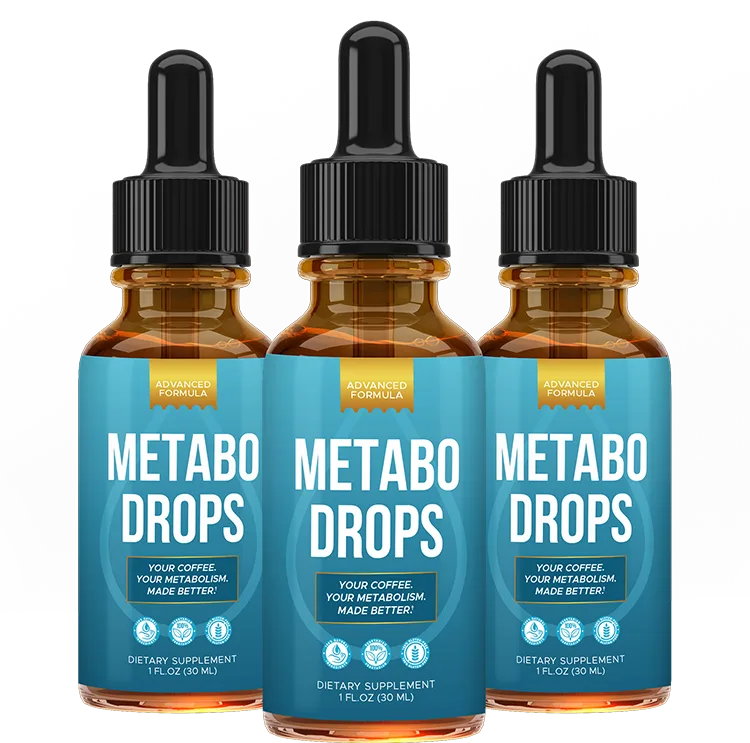
Varies by ingredientBy focusing on these types of ingredients, whether through diet or targeted supplementation, you can actively cultivate an internal environment that is conducive to a healthy metabolism and overall vitality. While Metabo Drops is designed to incorporate some of these principles into a convenient form, it’s always important to consider your overall diet and lifestyle as the foundation of your health journey.

Reignite Your Metabolism & Support Your Gut with Metabo Drops
If you're looking for a natural, convenient way to support your gut health and optimize your metabolism, Metabo Drops offers a unique blend of ingredients designed to work synergistically. Formulated to target the intricate connection between your microbiome and metabolic rate, Metabo Drops aims to provide comprehensive support for your body's natural fat-burning and energy-regulating processes.
- Supports a balanced gut microbiome
- Promotes healthy metabolic function
- Aids in natural energy production
- Helps maintain healthy weight management
- Made with natural, high-quality ingredients



What Our Customers Are Saying
"I've struggled with my metabolism for years, feeling sluggish despite trying everything. Since adding Metabo Drops, I've noticed a significant improvement in my energy levels and digestion. It feels like my body is finally working with me, not against me. Highly recommend!"
"As a busy professional, I needed something to help me feel more balanced. Metabo Drops has been a game-changer. My gut feels healthier, and I've experienced a gentle, sustained boost in my metabolic function. It's become an essential part of my daily routine for overall wellness."
"I was skeptical at first, but the science behind gut health and metabolism made sense. After a few weeks of Metabo Drops, I'm genuinely impressed. My bloating has reduced, and I feel more energetic throughout the day. It's a fantastic natural support for anyone looking to optimize their health."
Frequently Asked Questions
What is the gut microbiome and why is it important for metabolism?
+The gut microbiome refers to the trillions of microorganisms, primarily bacteria, that reside in your digestive tract. These microbes play a crucial role in metabolism by influencing nutrient absorption, energy extraction from food, fat storage, and even the regulation of hormones that control appetite and insulin sensitivity. A balanced microbiome is essential for efficient metabolic function.
How does an imbalanced gut microbiome (dysbiosis) impact weight gain?
+Dysbiosis, an imbalance in gut bacteria, can contribute to weight gain by increasing inflammation, altering bile acid metabolism, and enhancing the gut's ability to extract calories from food, even from the same diet. It can also disrupt satiety signals and lead to increased fat storage, making weight management more challenging.
Can diet alone improve gut health and metabolism?
+While diet is a cornerstone of gut health, it's often not the only factor. A diet rich in fiber, prebiotics, and probiotics is crucial. However, stress, lack of sleep, certain medications (like antibiotics), and environmental toxins can also negatively impact the microbiome. A holistic approach combining diet with lifestyle changes is most effective.
What are short-chain fatty acids (SCFAs) and how do they relate to metabolism?
+Short-chain fatty acids (SCFAs), such as butyrate, acetate, and propionate, are produced by beneficial gut bacteria when they ferment dietary fiber. SCFAs serve as a vital energy source for colon cells, help regulate blood sugar, reduce inflammation, and can influence appetite and fat metabolism. They are key communicators between your gut and the rest of your body.
How long does it take to improve gut health and see metabolic benefits?
+The timeline for improving gut health and observing metabolic benefits can vary greatly among individuals. Some people might notice improvements in digestion and energy within a few weeks of consistent dietary and lifestyle changes, while significant shifts in the microbiome and metabolic markers could take several months. Consistency is key for lasting results.
Are supplements like Metabo Drops a viable option for supporting gut health and metabolism?
+Supplements can play a supportive role in conjunction with a healthy diet and lifestyle. Products like Metabo Drops, formulated with natural ingredients, aim to provide targeted support for metabolic balance and gut health. They can help bridge nutritional gaps and offer specific compounds that may enhance the body's natural metabolic processes and promote a healthy microbiome. Always consult a healthcare professional before starting any new supplement.
Related Articles